Namibia Road Trip Itinerary (8 Days): Desert, Skeleton Coast & Etosha Safari

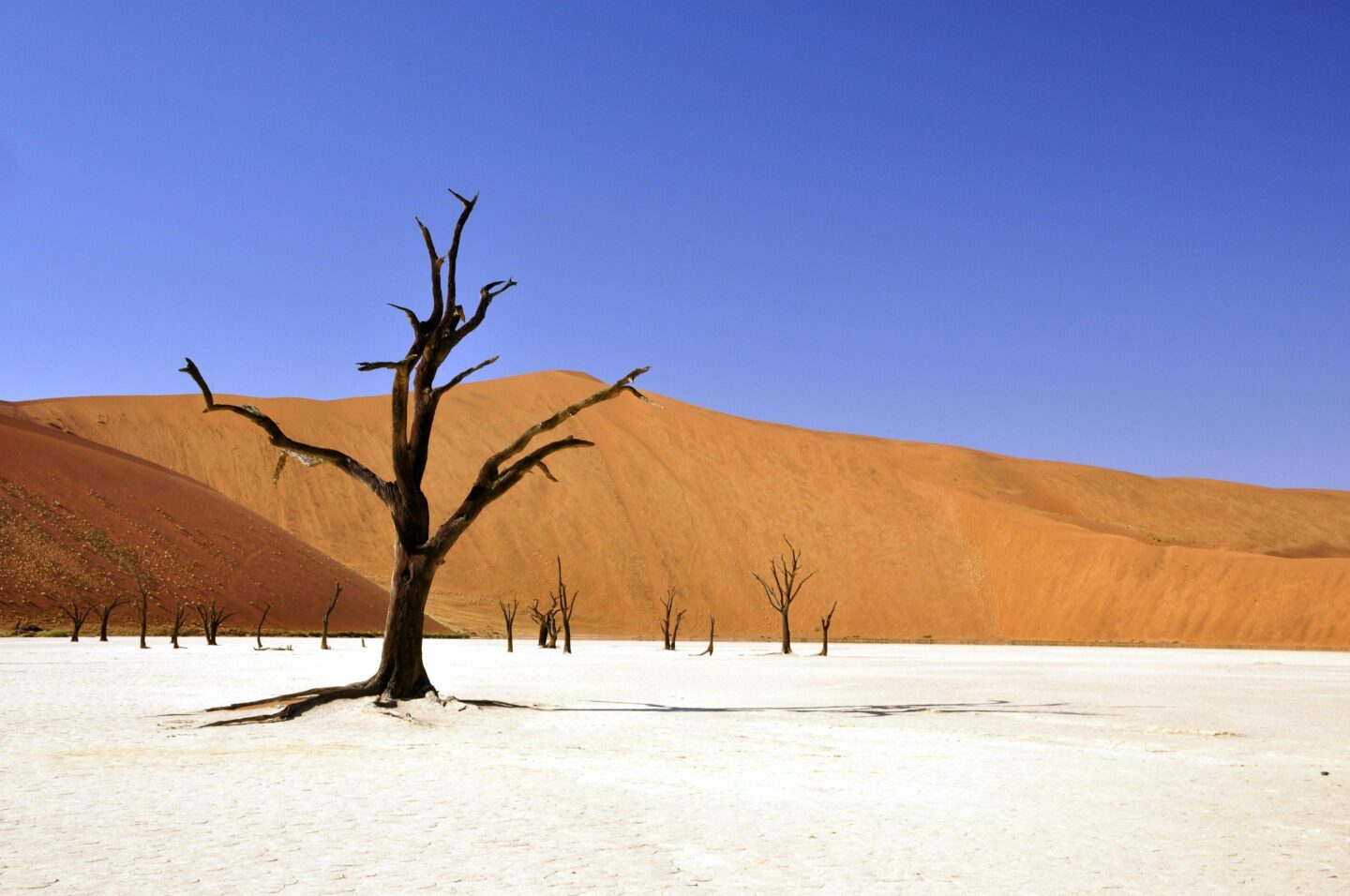
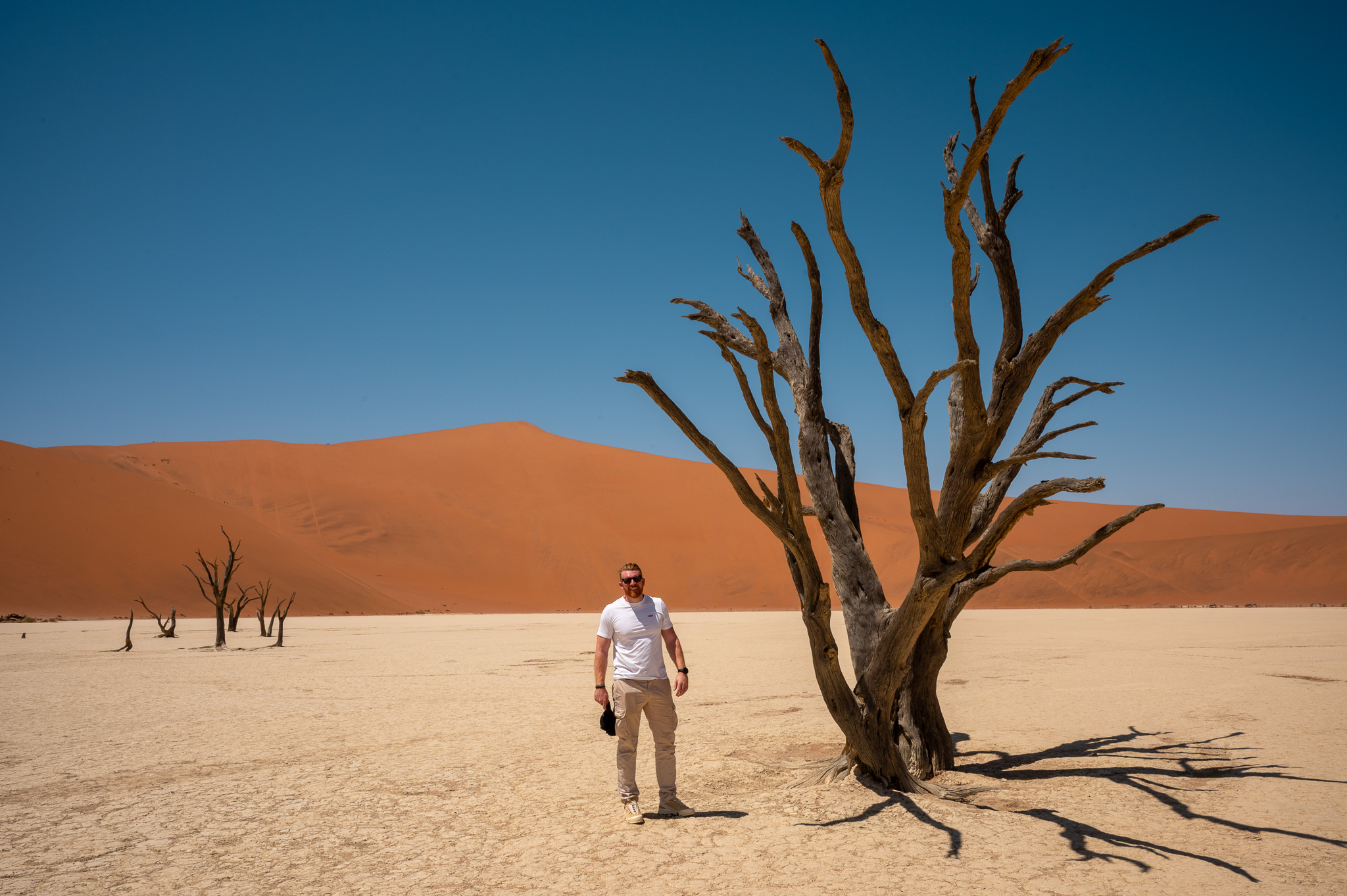
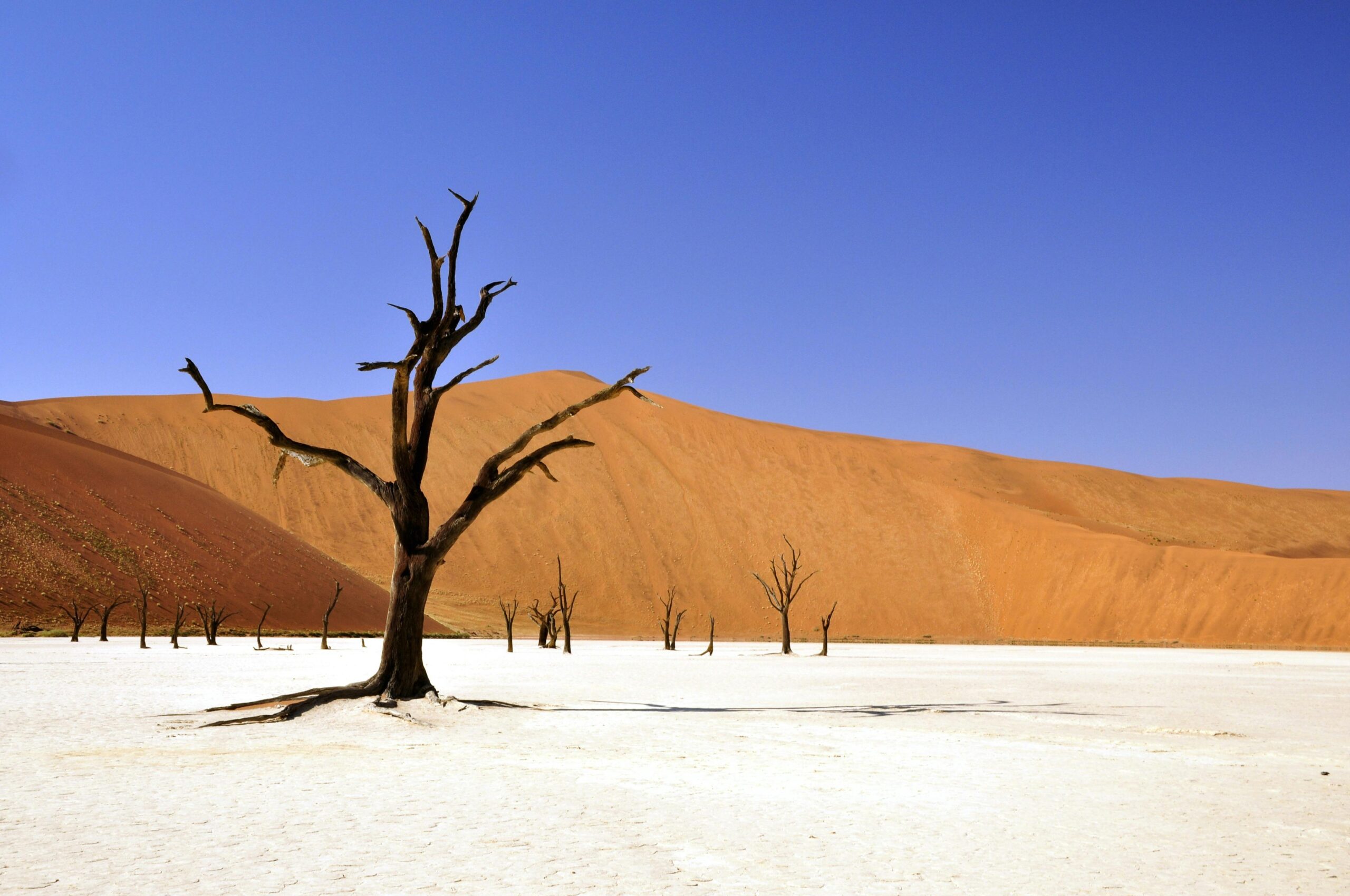
A dramatic scene of a barren desert, featuring a dried tree against sand dunes and a clear blue sky.

Table of Contents

Namibia Road Trip Itinerary (8 Days): Desert, Skeleton Coast & Etosha Safari

Introduction

Namibia is built for road trips.

It’s a country where the journey is the experience; endless gravel roads, vast desert landscapes, and wildlife encounters that feel completely unfiltered. This 8-day self-drive itinerary takes you from the dunes of Sossusvlei to the Atlantic coast, before finishing with one of Africa’s best safari experiences in Etosha National Park.

Distances are long. Roads are often gravel. And planning ahead makes all the difference.

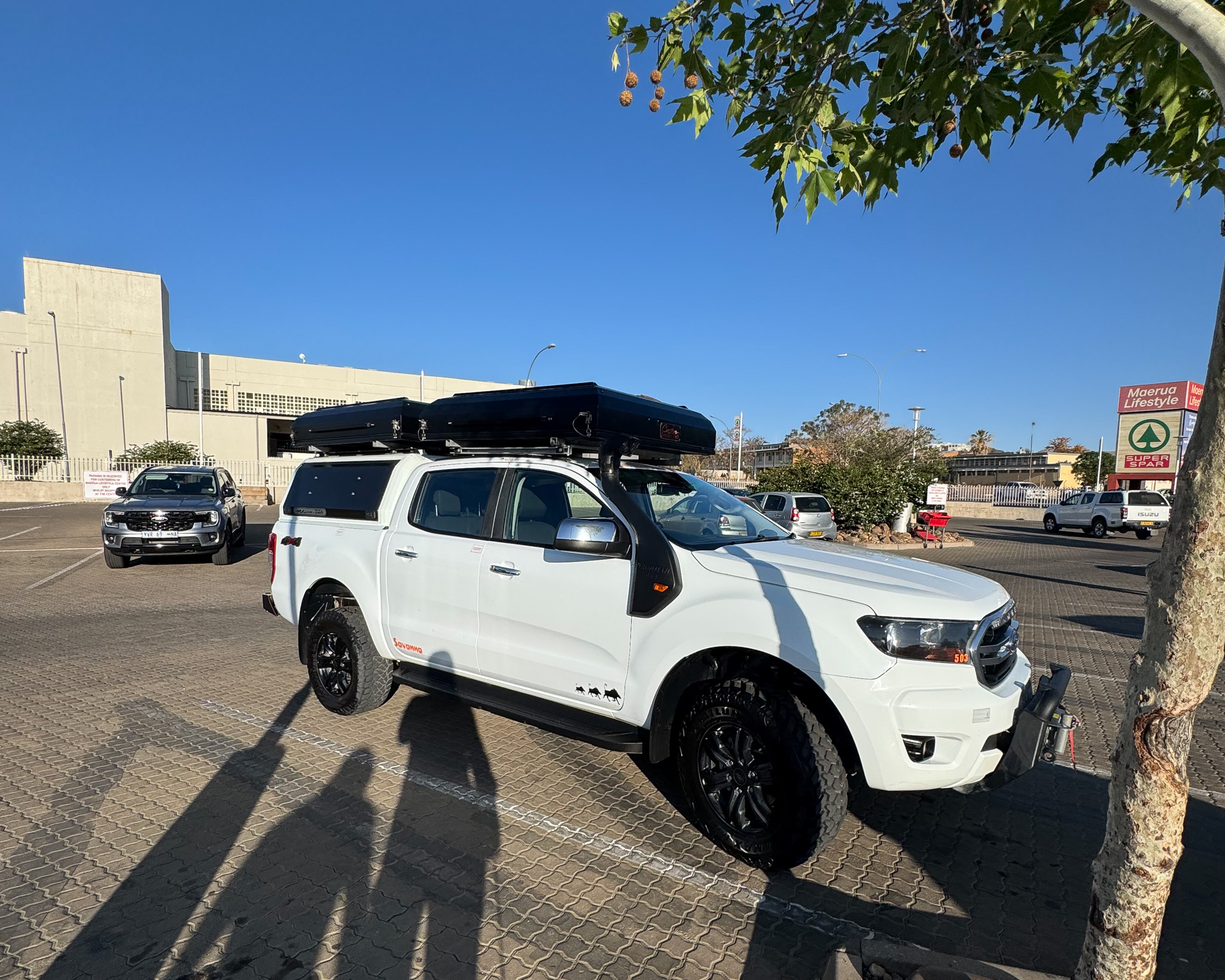
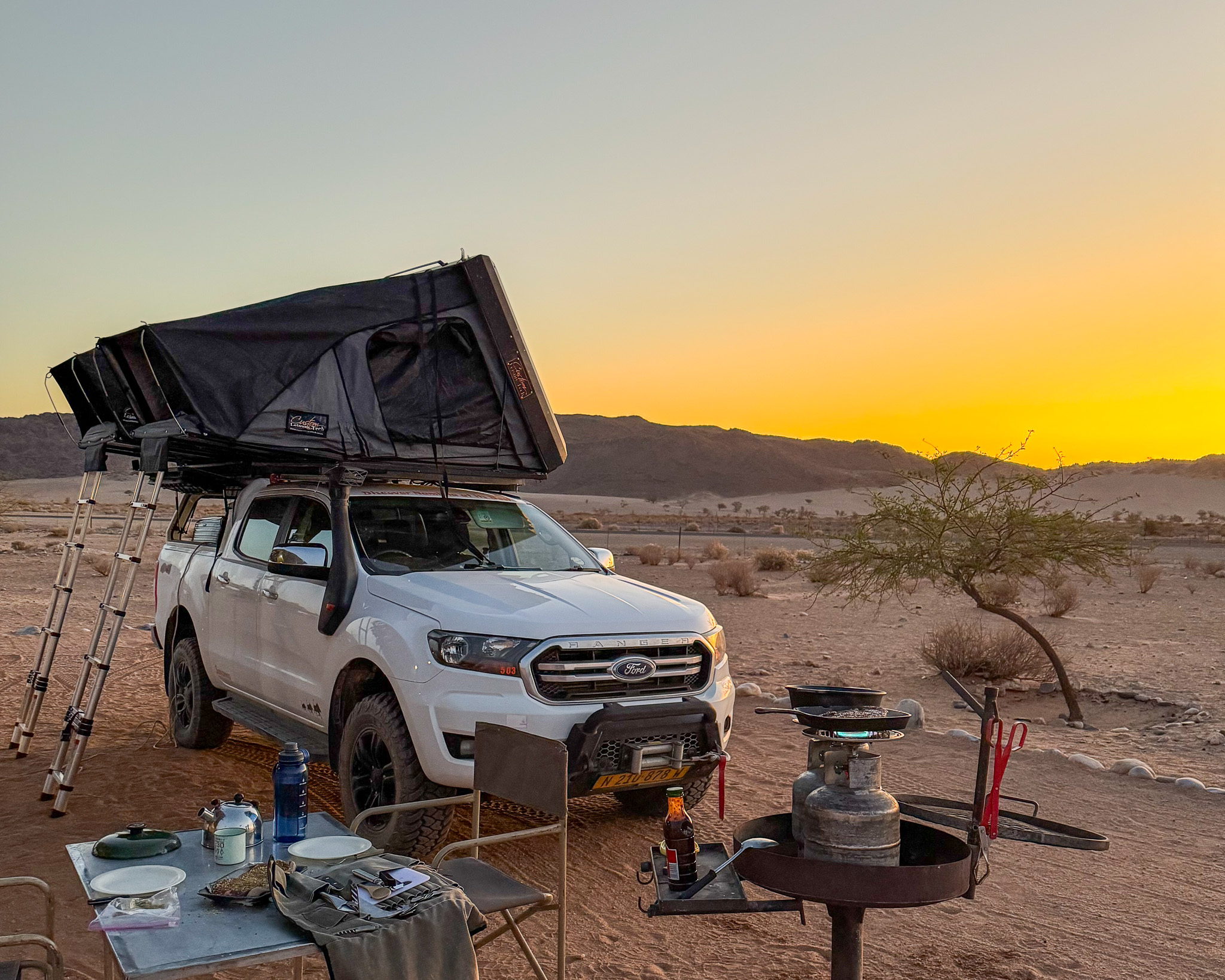
One thing worth knowing upfront, this trip is a mix of camping and comfortable lodge stays. Roughly half the nights are spent at campsites in remote locations, balanced with a few well-timed hotel stays where you can properly reset, shower, and recharge before heading back out.

Sort Your Car Early (Before Anything Else)

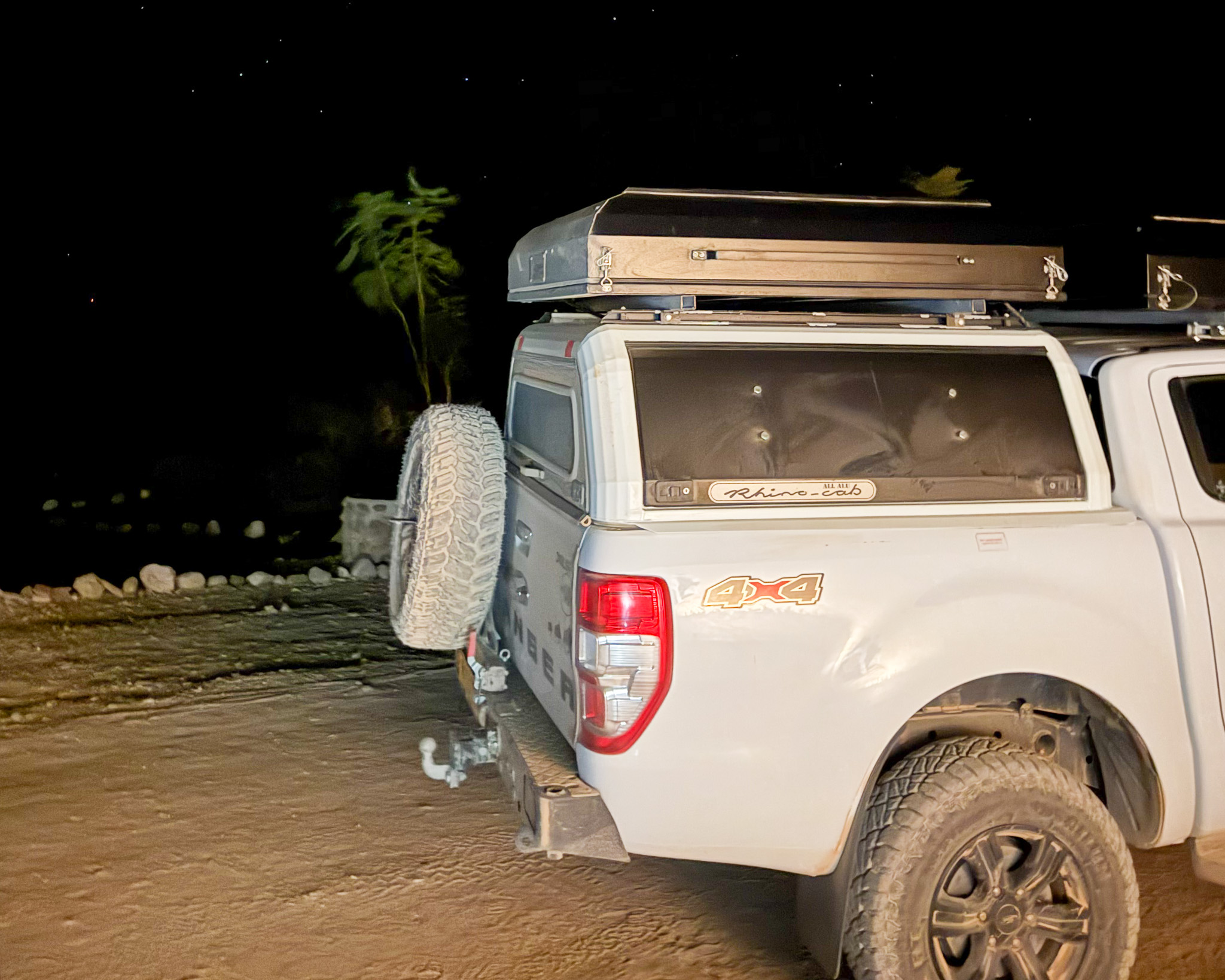
Before booking lodges or even finalising your route, you need to secure the right vehicle.

Namibia isn’t somewhere you want to turn up and “see what’s available”, the best 4x4s get booked out well in advance, especially in peak season.

Aim to book 3–6 months ahead where possible, and expect a bit of back and forth to get exactly what you need.

Rather than going into full detail here, I’ve broken everything down properly in this guide:

How to Choose the Perfect Car for a Namibian Road Trip (Expert Guide)

What This Itinerary Covers

This route is designed to give you a complete Namibia experience in just over a week:

  • The Namib Desert – Sossusvlei & Deadvlei
  • The Atlantic Coast – Swakopmund & Skeleton Coast
  • Remote Namibia – Damaraland & Spitzkoppe
  • Wildlife Safari – Etosha National Park

It’s fast-paced, but absolutely doable with the right setup.

A Quick Reality Check

Namibia isn’t difficult—but it does require a bit more awareness than your typical trip:

  • Drives can be long (5–7 hours isn’t unusual)
  • Fuel stops are limited in places
  • Gravel roads require steady, controlled driving
  • Night driving is best avoided

Get the basics right, and the rest becomes very straightforward.

Day 1 – Windhoek to Agama Lodge (Into the Desert)

Distance: ~300 km

Drive Time: 4.5–5.5 hours

After collecting your 4×4 in Windhoek, you head straight out towards the Namib Desert.

This first drive is all about settling in—getting used to gravel roads, long distances, and the sheer scale of Namibia. It’s an easy but important introduction to the trip.

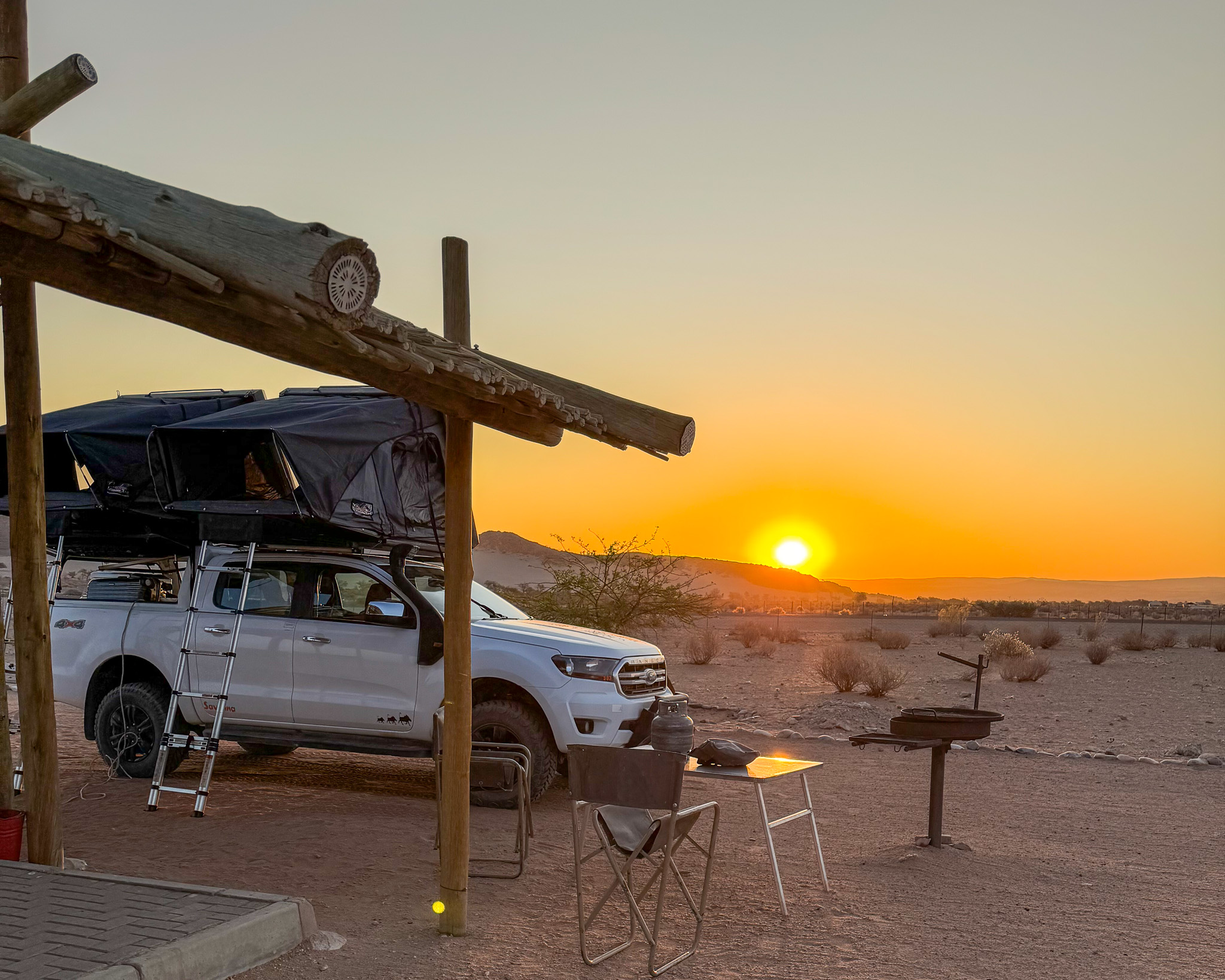
Arrive at Agama Lodge in time for sunset—the perfect way to kick things off.

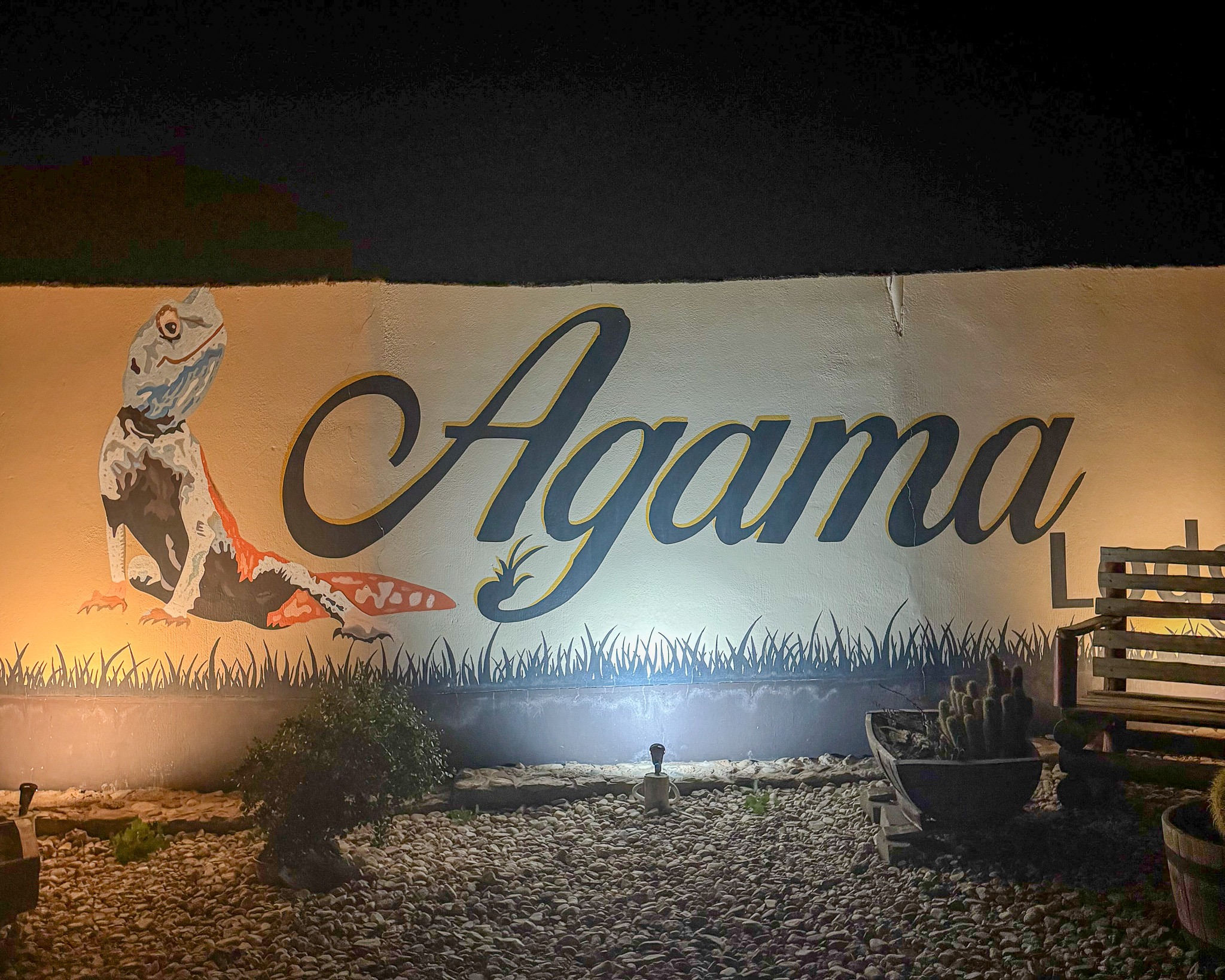
Where to Stay – Agama Lodge

Read the full review: Agama Lodge 

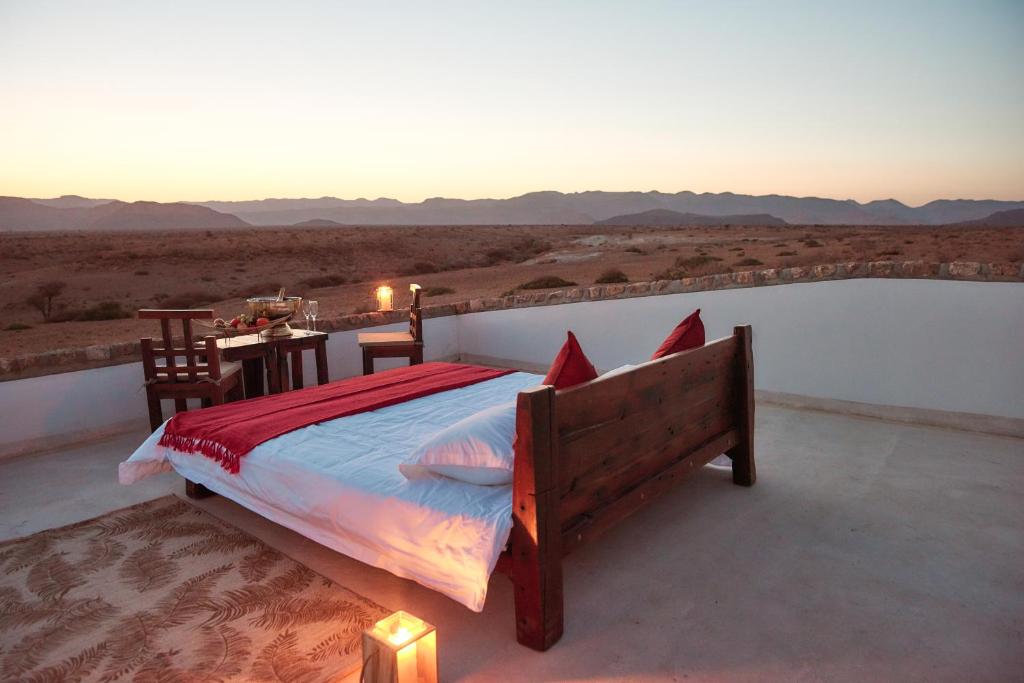
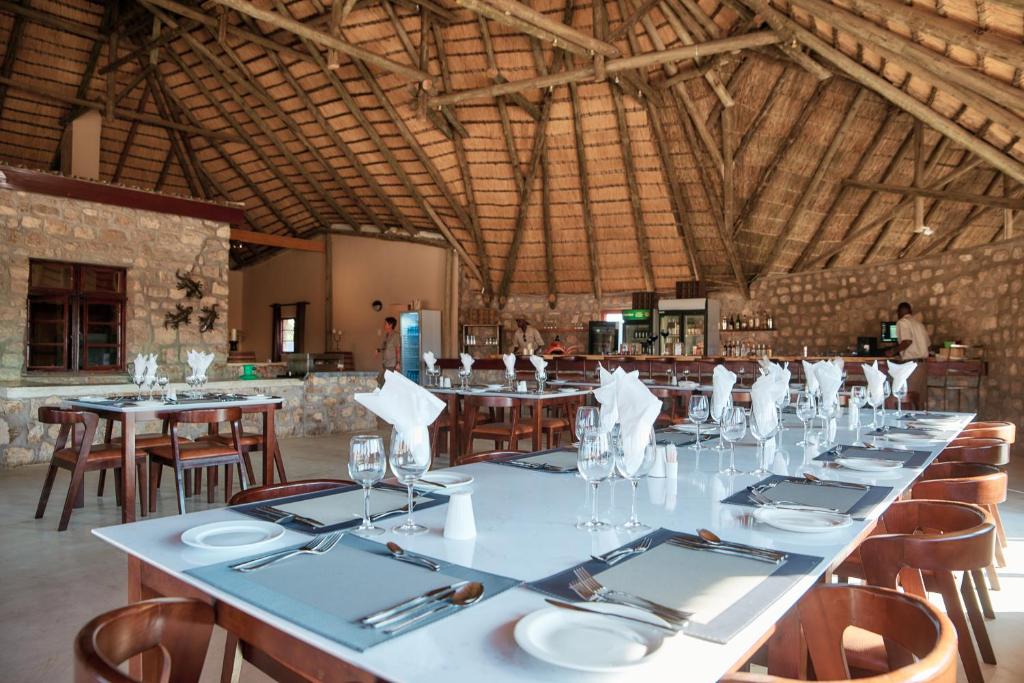
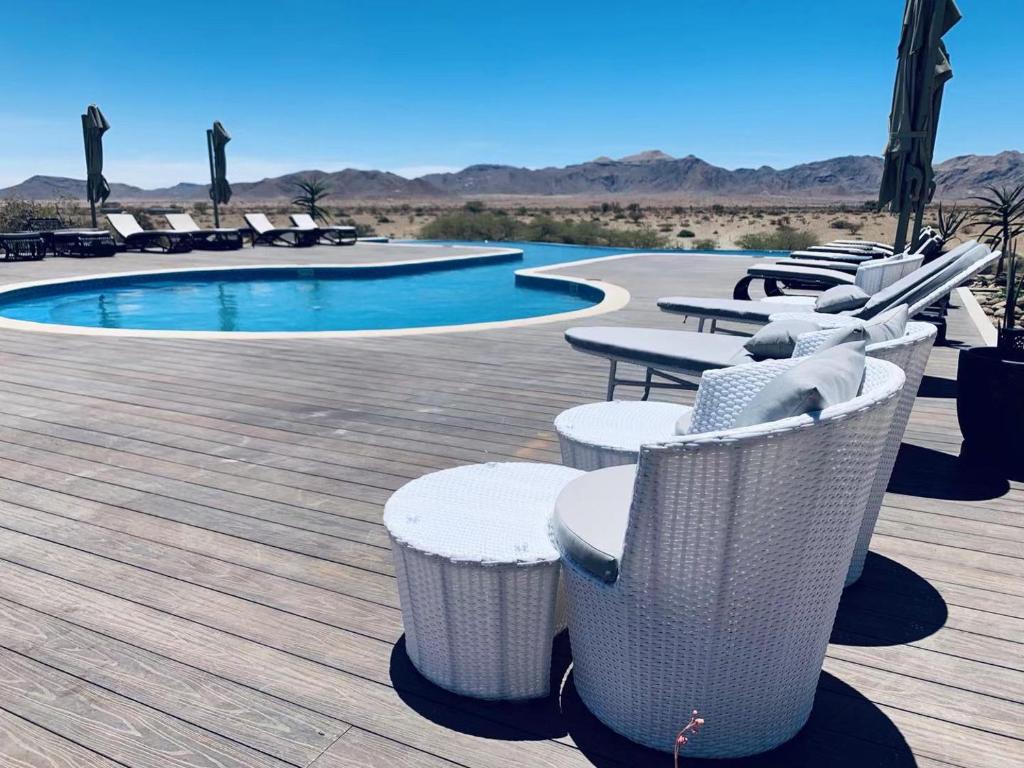
Well positioned on the edge of the Namib Desert, Agama Lodge is an ideal first stop on this route. It strikes a great balance between comfort and isolation, giving you that “middle of nowhere” feeling without sacrificing the basics.

Arriving here on day one works perfectly. After a half-day drive, you can settle in, take in the views, and reset before an early start into Sossusvlei the following morning.

Quick Tips

  • Fuel up before leaving Windhoek
  • Take it steady on gravel roads
  • Avoid driving after dark

Day 2 – Sossusvlei & Deadvlei (The Iconic Namibia Experience)

Distance: ~120–150 km return

Drive Time: 2–3 hours

This is one of the standout days of the entire trip—and easily one of the most iconic landscapes in Africa.

An early start is essential. The gates open at sunrise, and getting in early not only helps avoid the heat, but also gives you the best light across the dunes.

What to Expect

Sossusvlei isn’t just one stop—it’s a series of locations that you explore as you drive deeper into the park.

The road is paved for most of the way, making access straightforward, before transitioning into sand for the final stretch.

Expect:
• Towering red dunes
• Vast open desert landscapes
• Some of the most unique photography spots in Namibia

Key Stops Along the Way

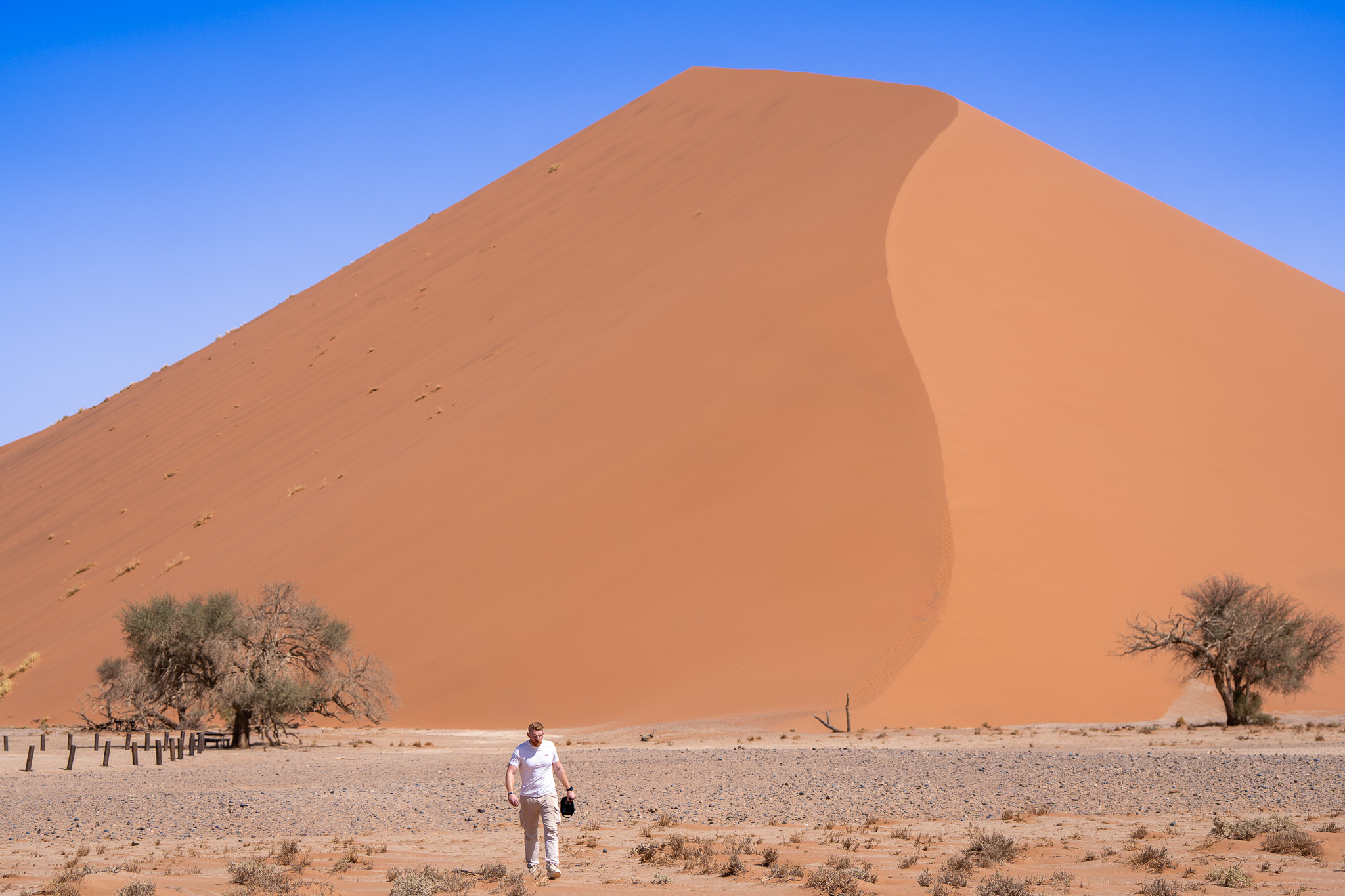
Dune 45

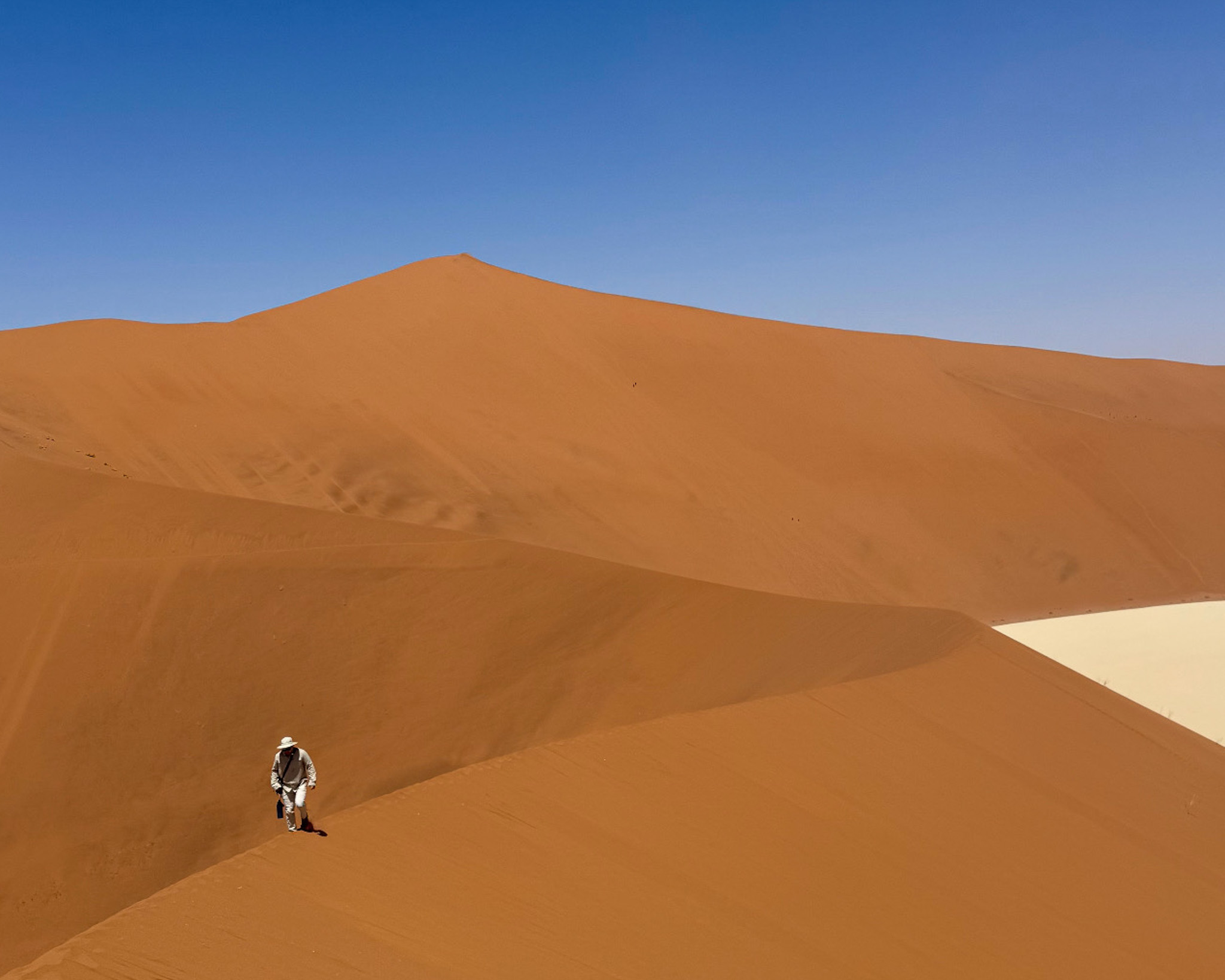
One of the most photographed dunes in Namibia and an easy first stop. A quick climb here gives you a great perspective over the surrounding desert, especially in the early morning light.

Big Daddy Dune & Deadvlei

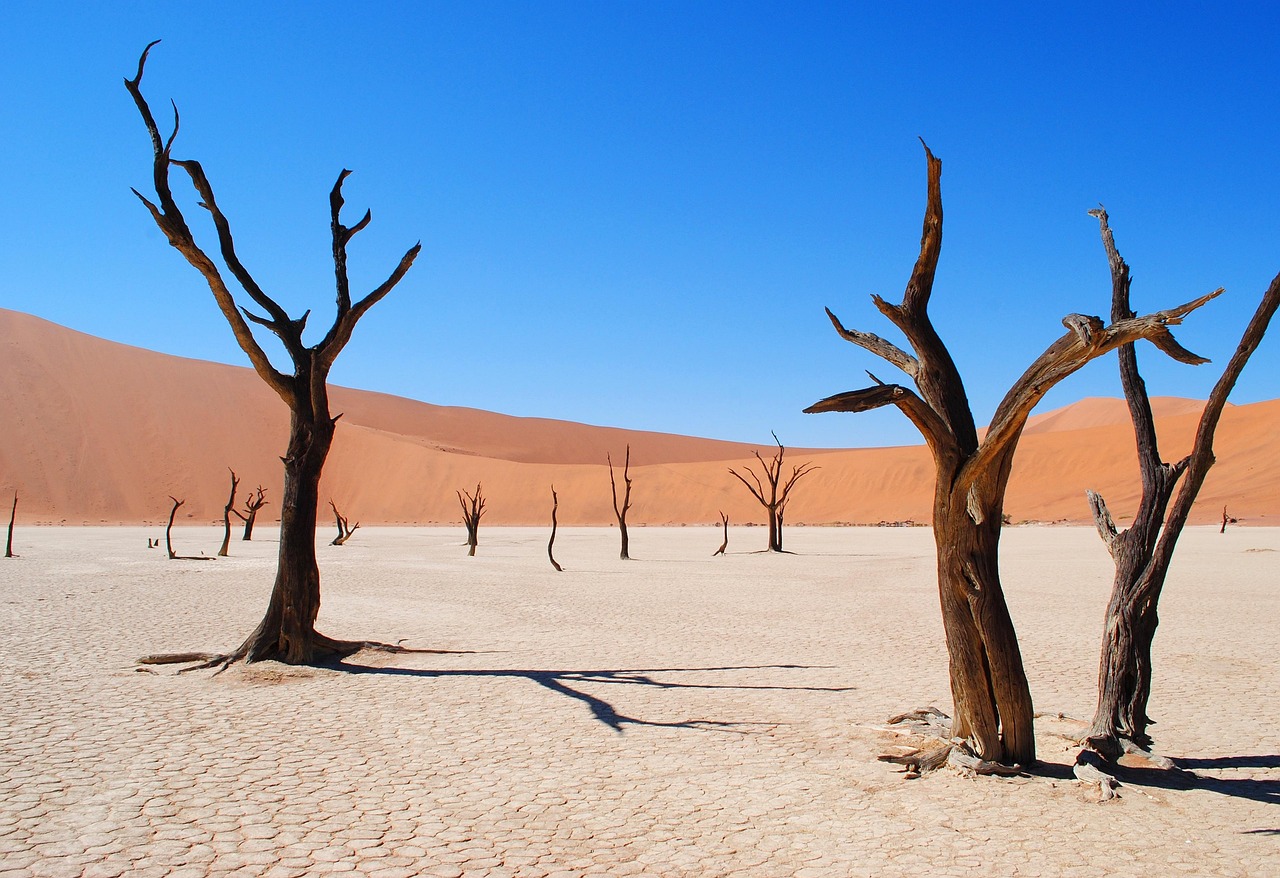
For those willing to put in a bit more effort, climbing Big Daddy is the highlight. From the top, you drop down into Deadvlei—an almost surreal white clay pan dotted with ancient, blackened trees.

This is the image most people associate with Namibia.

Final 4x4 Section

The last 5km into Sossusvlei is soft sand. If you’re not confident driving, there’s a shuttle service available, otherwise lowering tyre pressure is key.

Timing Tips

  • Arrive at the gate for opening (sunrise)
  • Head straight to Deadvlei first if you want fewer people
  • Temperatures rise quickly—plan to be heading back by late morning

Where to Stay – Sossus Oasis Campsite

Read the full review: Sossus Oasis Campsite

After a full day exploring Sossusvlei and Deadvlei, staying here makes things simple. It’s located right by the main gate, so there’s no need for a long drive after a tiring day out in the dunes.

Facilities are straightforward and well-maintained, with fuel and basic supplies nearby. It’s also a good place to get comfortable with the rooftop tent setup before heading into more remote parts of the trip.

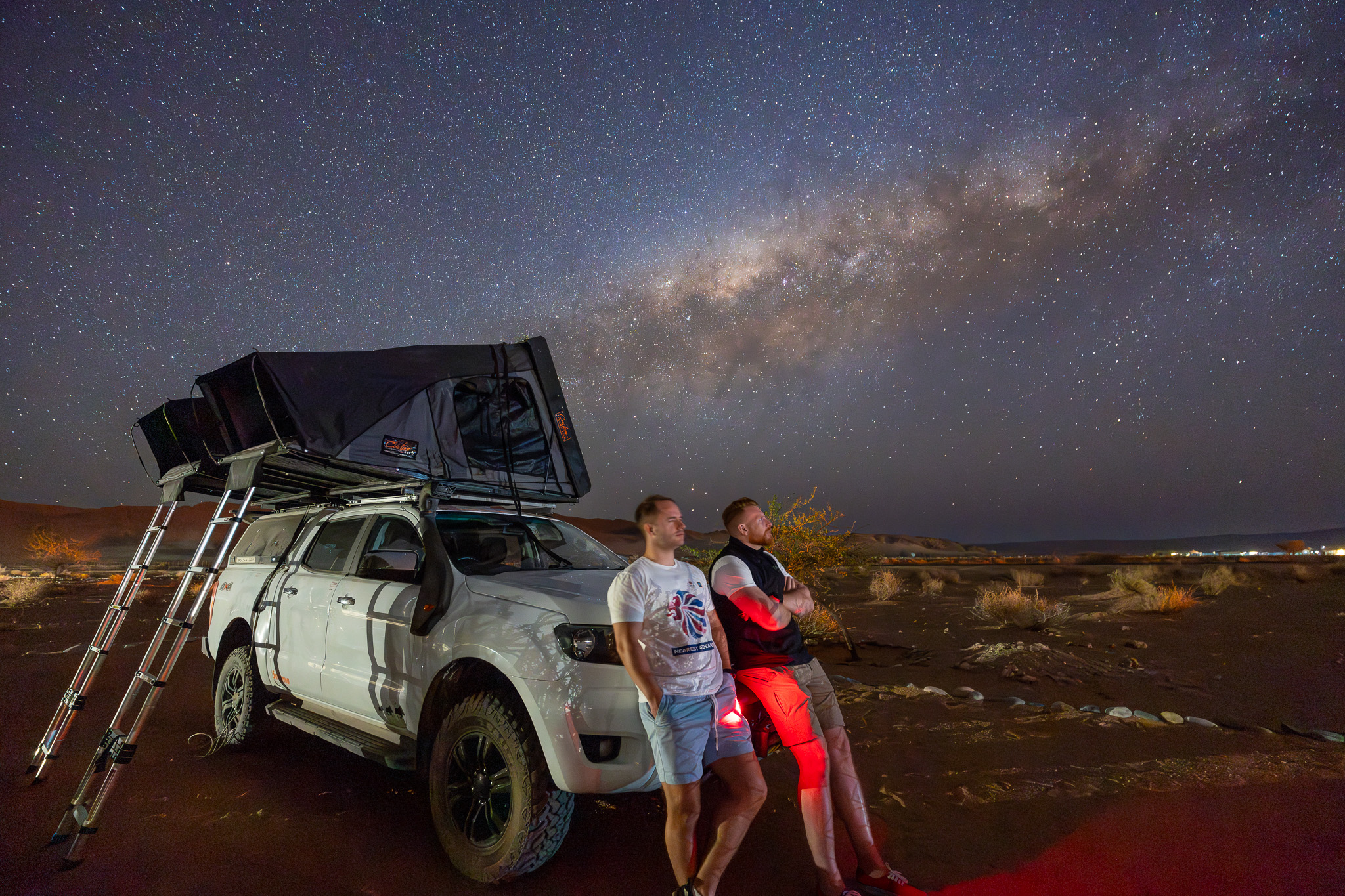
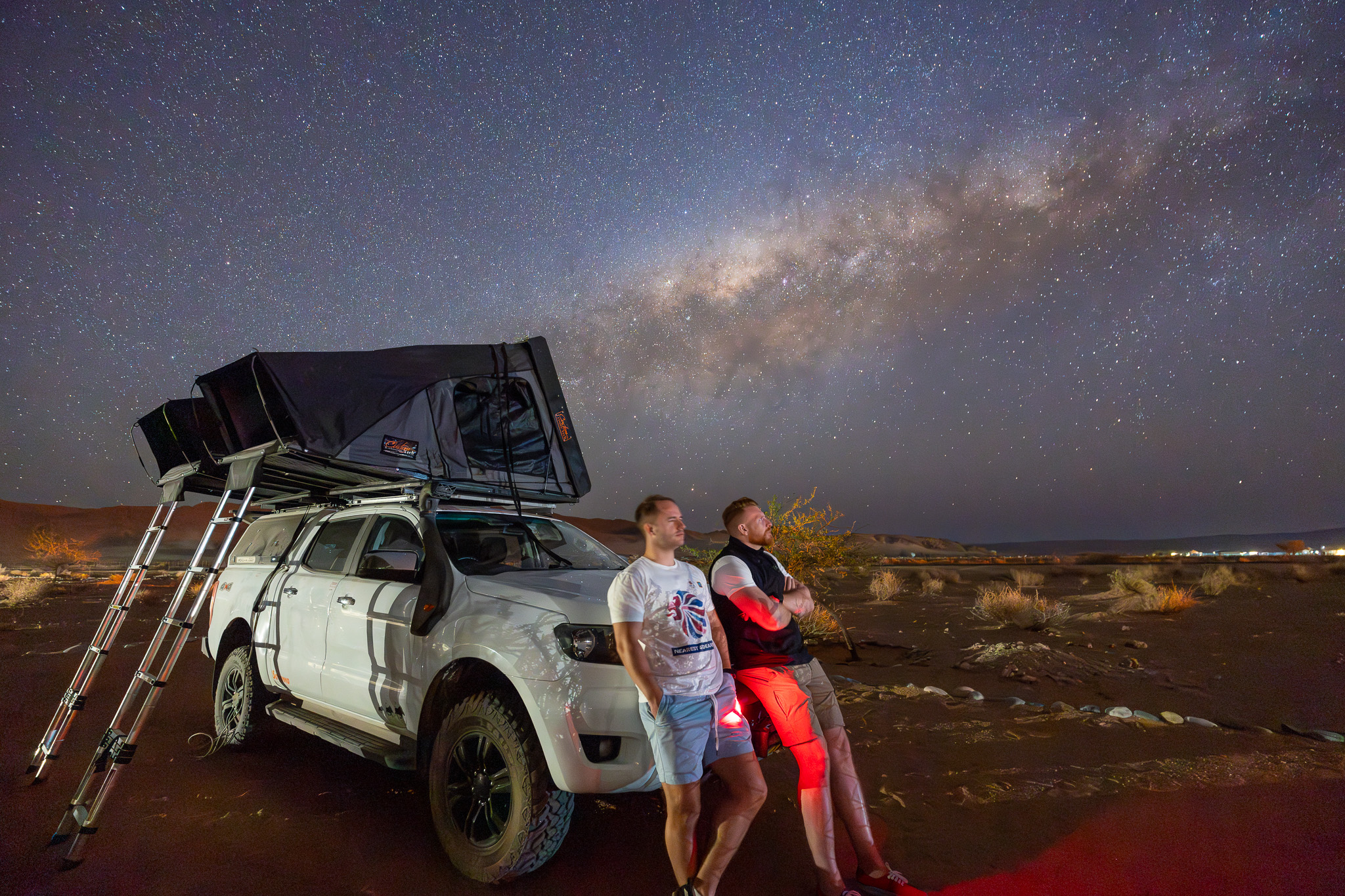
Once the sun sets, the night skies are a highlight—clear, vast, and exactly what you come to Namibia for.

Day 3 – Sossusvlei to Swakopmund (Desert to Ocean Transition)

Distance: ~350 km

Drive Time: 5.5–6.5 hours

is a long drive, and one where you really start to feel the scale of Namibia.

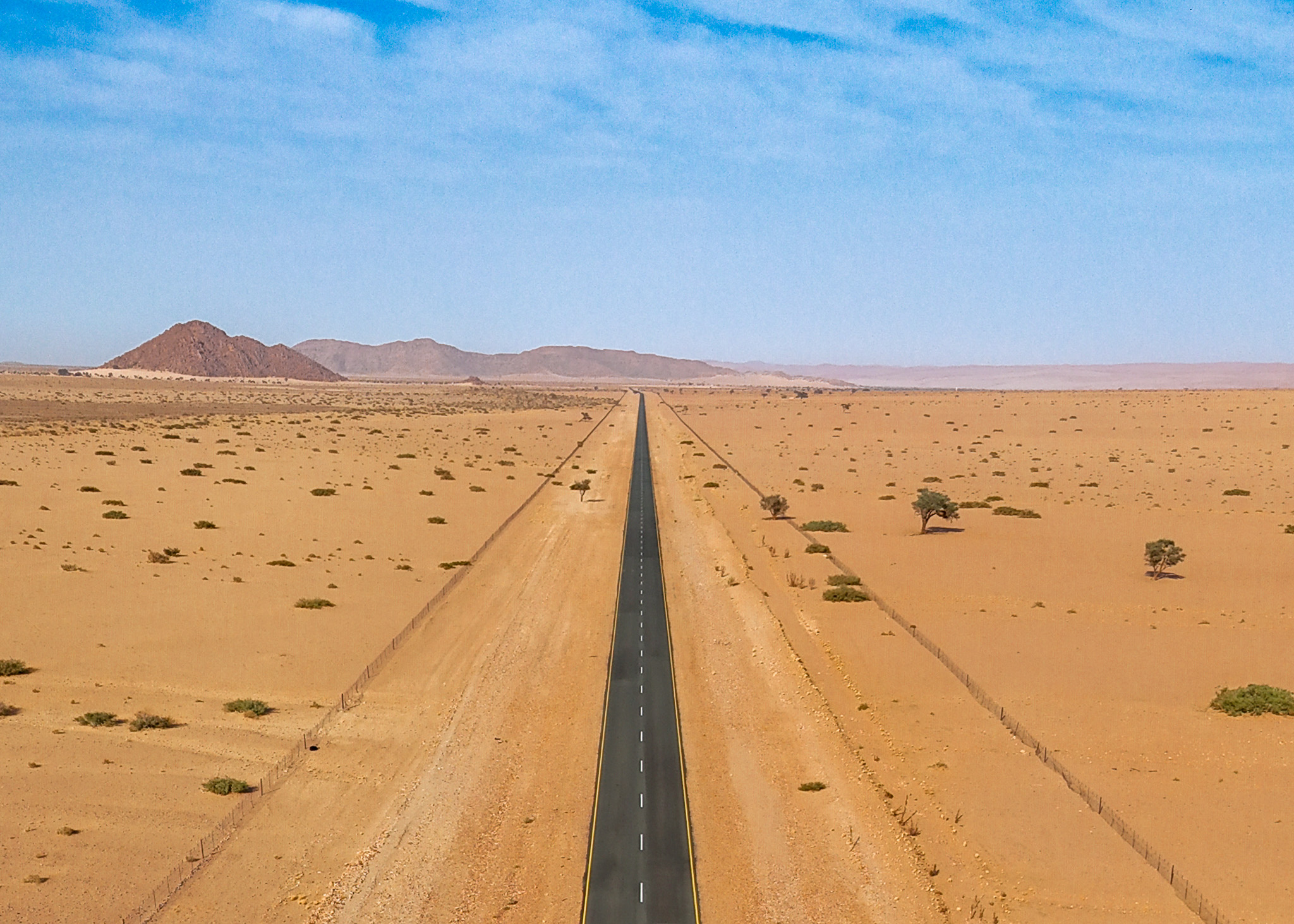
Much of the route is on gravel, so expect a proper “African massage” along the way. It’s not difficult driving, but it’s steady, bumpy, and requires patience.

The Drive

This stretch is wide open, with very little in the way of major stops, but there are a couple worth pulling over for.

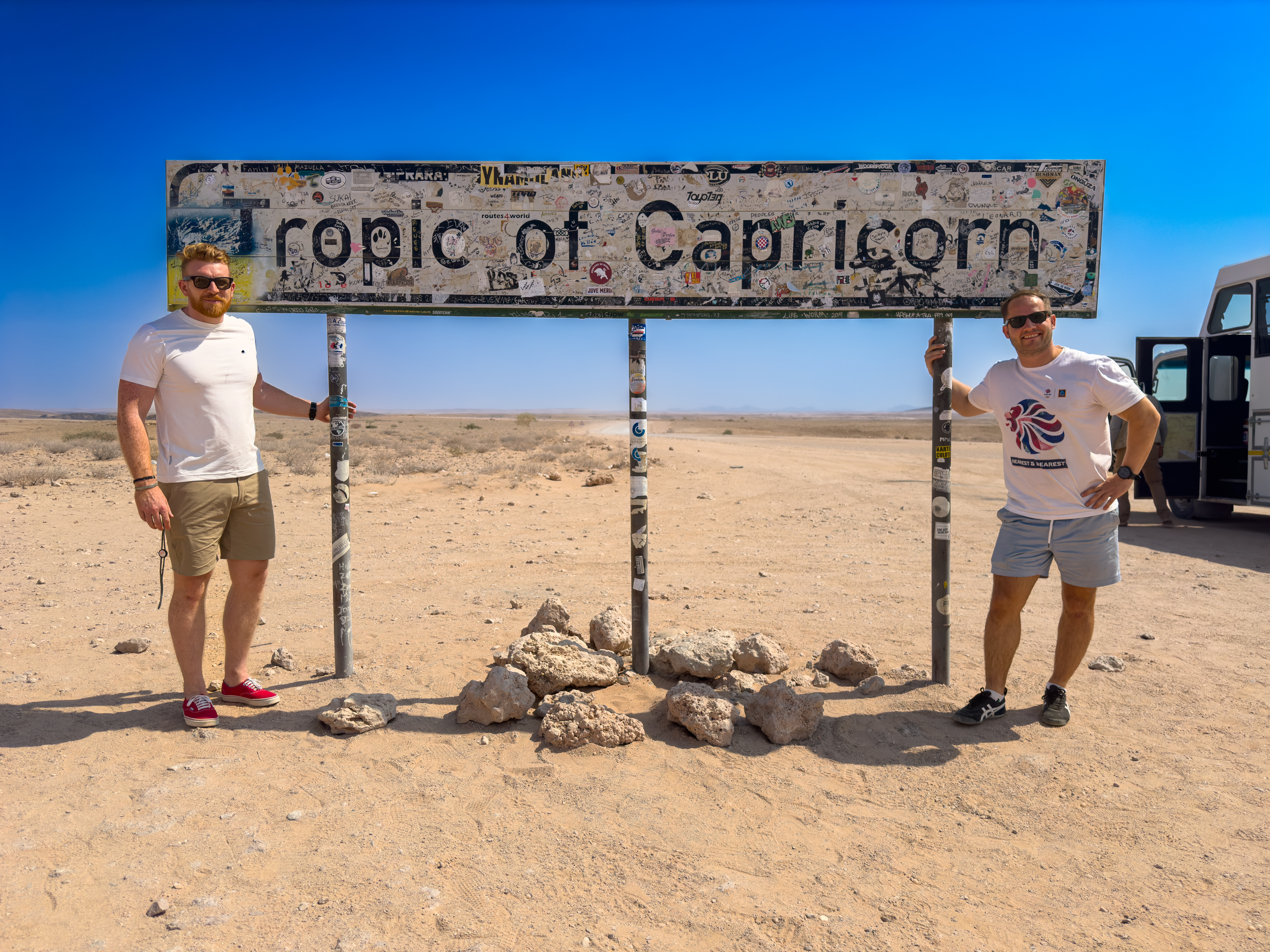
The Tropic of Capricorn is an easy one; right off the road and a classic photo opportunity. It’s a quick stop, but one you’ll likely want for the album.

Further along, the drive through Kuiseb Pass is a highlight. The road winds through a dry canyon, breaking up the otherwise flat desert and adding a bit more character to the journey.

Outside of that, it’s all about the landscape:

  • Endless gravel roads
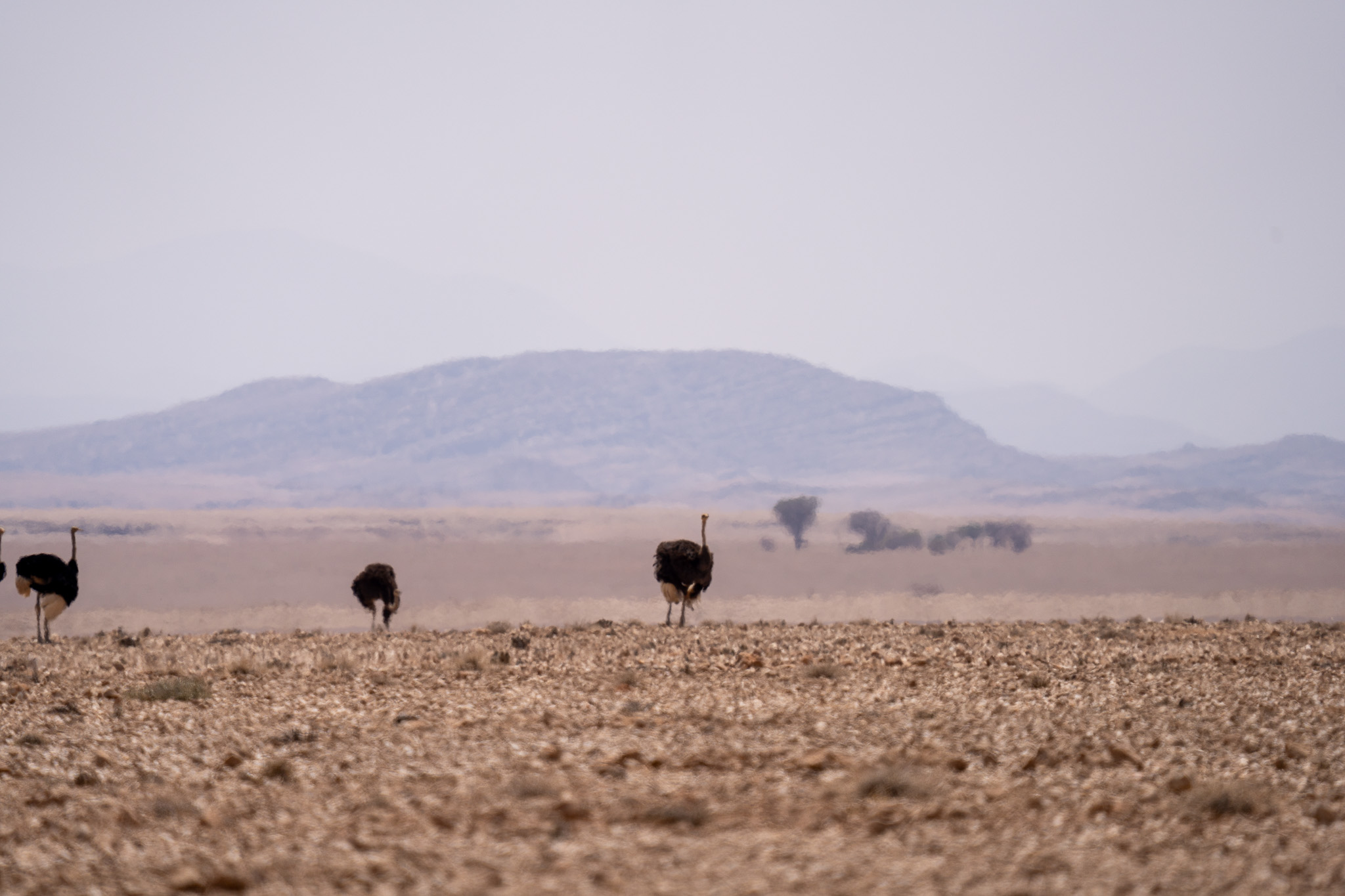
  • Occasional sightings of oryx or ostrich
  • Very little traffic

It’s quiet, remote, and a reminder of just how vast Namibia really is.

Arrival into Swakopmund

As you get closer to the coast, things begin to change.

Temperatures drop noticeably, the air becomes cooler, and the landscape shifts from desert to a more muted coastal environment. Fog often rolls in from the Atlantic, and before long you’re on the edge of the Skeleton Coast.

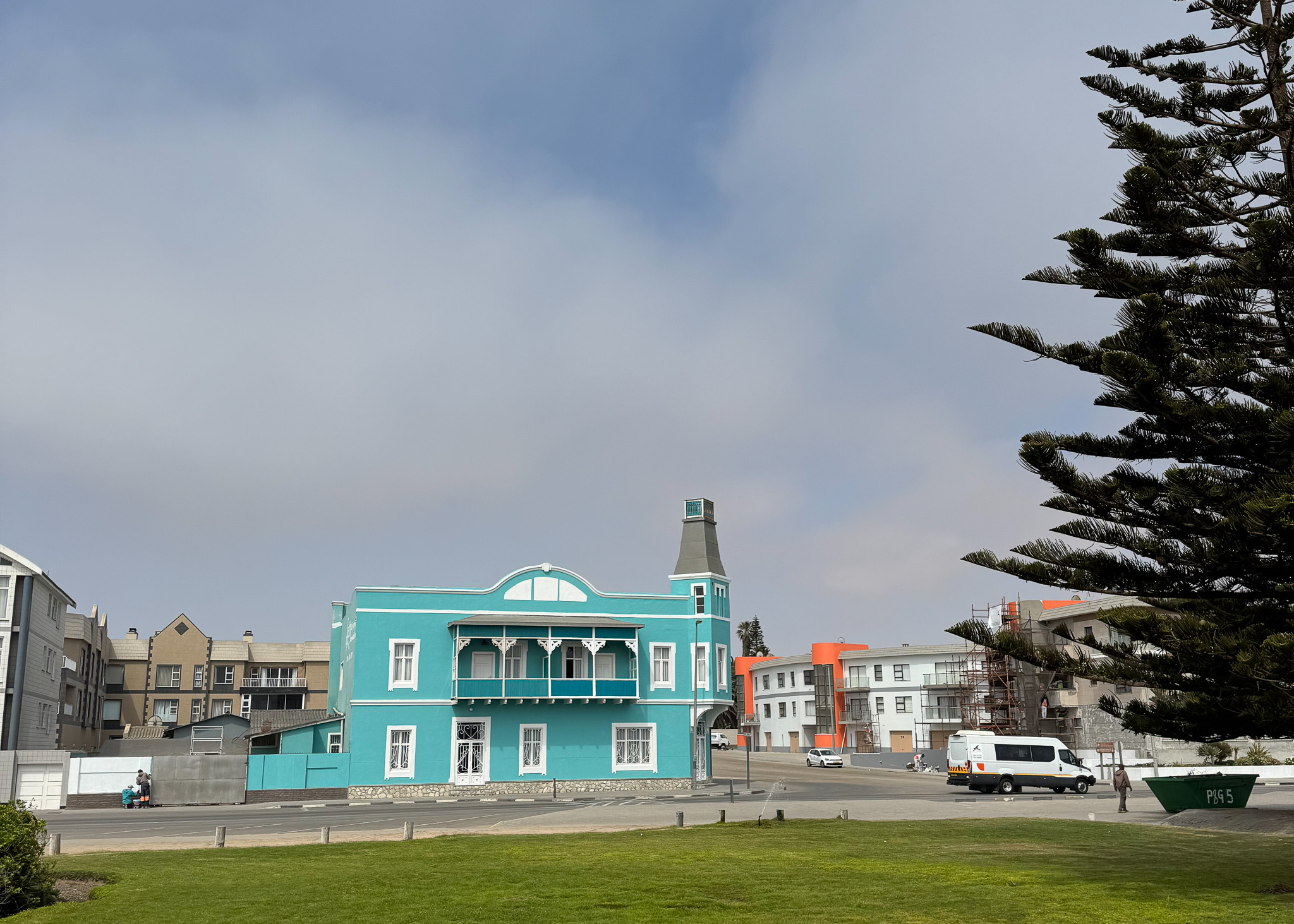
Swakopmund feels completely different to anywhere else on the trip, a welcome reset after the desert.

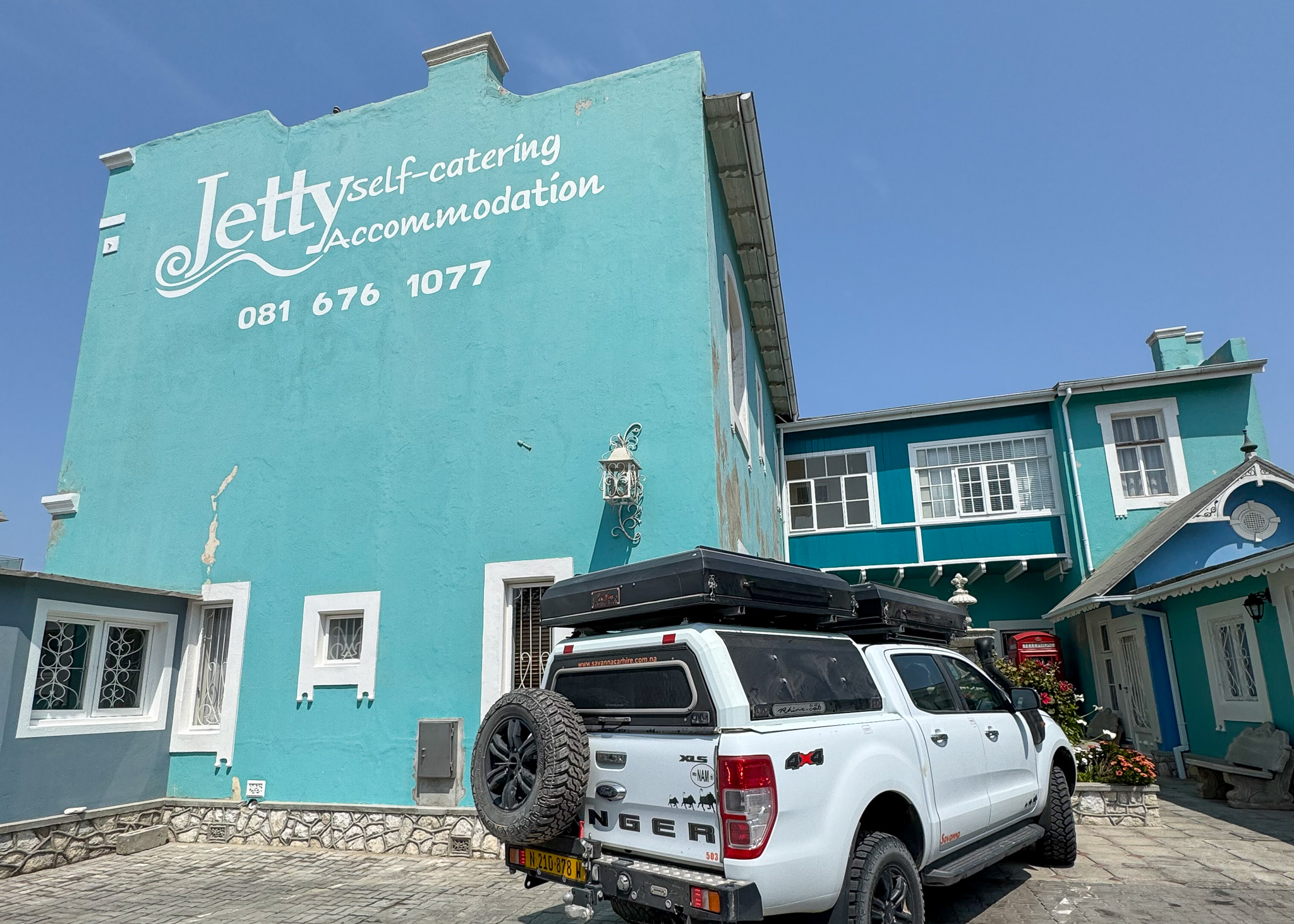
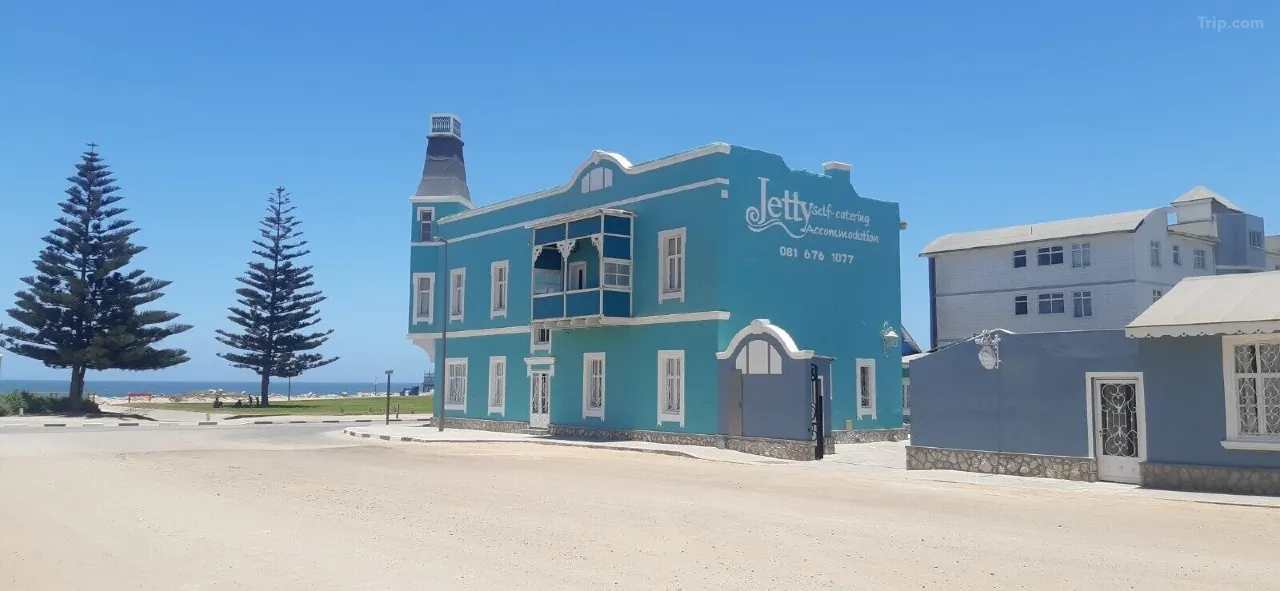
Where to Stay – Jetty Self-Catering

Read the full review: Jetty Self-Catering

Perfectly positioned right on the water, The Jetty (Self Catering) is an ideal place to unwind after a long drive, with easy access to the town and coastline.

Day 4 – Skeleton Coast & Cape Cross Seal Colony

Distance: ~250 km return

Drive Time: 3.5–4 hours

After a long drive the day before, Day 4 is a chance to slow things down slightly.

It’s still an active day, but more of a reset, giving you time to explore the Skeleton Coast without the pressure of a long onward journey. It’s also a good opportunity to restock supplies in Swakopmund if you didn’t get the chance the day before.

Cape Cross Seal Colony

Heading north, the main stop is Cape Cross, home to one of the largest seal colonies in the world.

At its peak, the colony can number well over 100,000 seals, spread across the shoreline as far as you can see. It’s loud, chaotic, and very much a full sensory experience. The sheer volume of movement and noise is what makes it memorable, even if the smell is hard to ignore.

It’s a unique stop and well worth the visit.

Skeleton Coast & Zeila Shipwreck

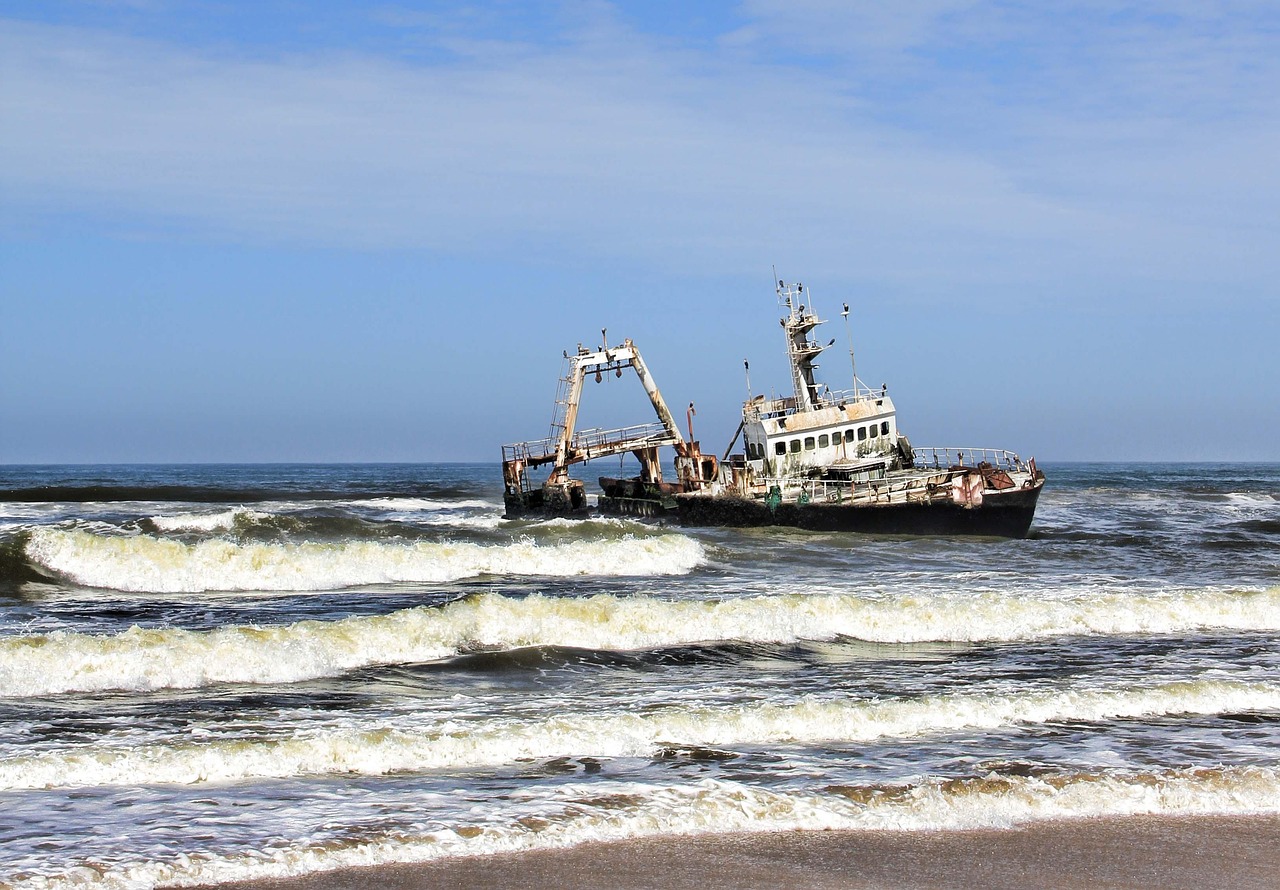
On the return drive, stop at the Zeila Shipwreck, one of the more accessible wrecks along this stretch of coastline.

It’s an atmospheric spot, but worth noting that locals may approach offering “guidance” or asking for payment. Just stay polite but firm.

Beyond that, the drive itself is the highlight—empty coastline, rolling fog, and the constant presence of the Atlantic.

Dinner at The Tug Restaurant

Back in Swakopmund, this is the night to enjoy one of the town’s best spots.

👉 Book in advance, it fills up quickly.

The Tug Restaurant sits right on the jetty and is known for excellent seafood and a great setting over the water—exactly what you want after a day along the coast.

Where to Stay –

Agama Lodge 

You’ll be staying in the same place as the night before, keeping things simple and avoiding the need to repack.

Day 5 – Swakopmund to Damaraland (Spitzkoppe & Brandberg)

Distance: ~400 km

Drive Time: 6–7 hours

Day 5 is another long one, but easily one of the most varied drives of the trip.

Leaving the coast behind, you head back inland into Damaraland, where the landscapes become more rugged and remote. It’s a full day on the road, broken up by a couple of standout stops along the way.

Spitzkoppe

Often referred to as the “Matterhorn of Namibia”, Spitzkoppe rises dramatically out of the surrounding desert and is one of the most photogenic spots in the country.

If you have the time, this is a place worth staying overnight. Sunset by the rock arch is meant to be one of the highlights of any Namibia trip.

On this itinerary, it’s more of a shorter stop—enough time to stretch the legs, explore the area, and take in the scale of the landscape before continuing on.

Brandberg & The White Lady

From Spitzkoppe, continue on towards the Brandberg Mountains.

The main stop here is a guided walk out to the White Lady rock painting, one of Namibia’s most well-known cultural sites. The walk itself is relatively straightforward, but worth doing with a guide to get some context behind the history of the area.

It’s a good way to break up the drive and adds something different to the day beyond just landscapes.

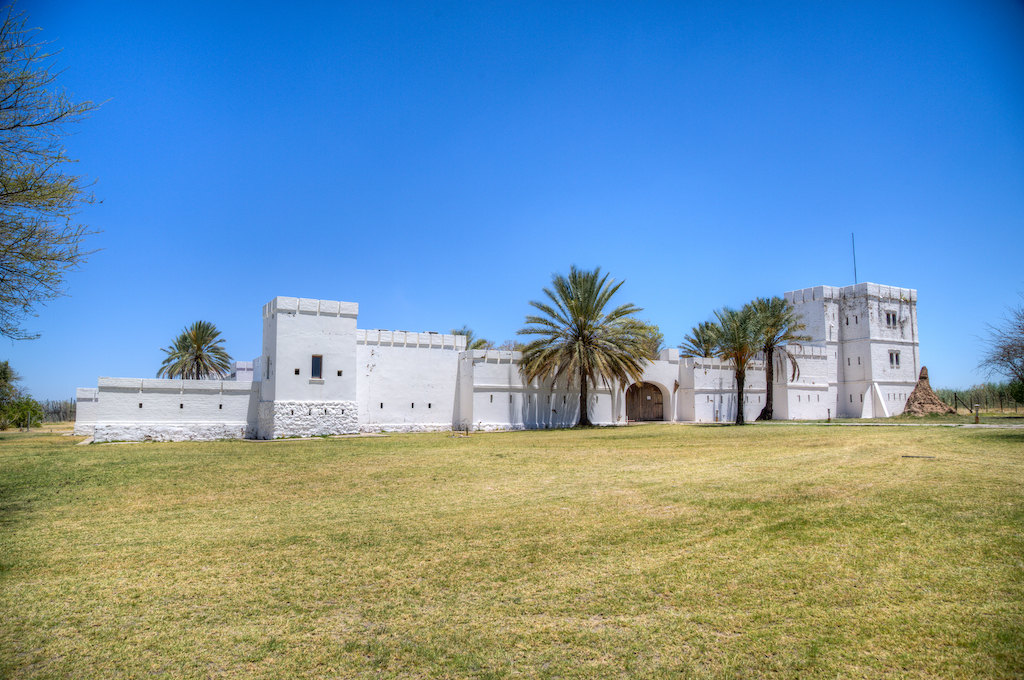
Where to Stay – Granietkop Campsite

Granietkop Campsite

This was one of the standout stays of the entire trip.

Granietkop Campsite had only just opened when we visited, with just a handful of pitches available, and we were lucky to secure a spot. Set up as a community-run project, it feels completely different to anywhere else on the route.

There’s very little in the way of development—just a few well-spaced sites, basic facilities, and complete isolation; but that’s exactly what makes it special.

The setting is incredible. Surrounded by open desert and rock formations, with no one else around, it’s one of those places that’s hard to properly describe. As the sun drops and the light fades, it becomes something else entirely.

If there’s one night on this trip that feels properly off-grid, it’s this one.

Day 6 – Damaraland to Etosha National Park (Namutoni Camp)

Distance: ~300 km

Drive Time: 4.5–5 hours

Introduction to Etosha National Park

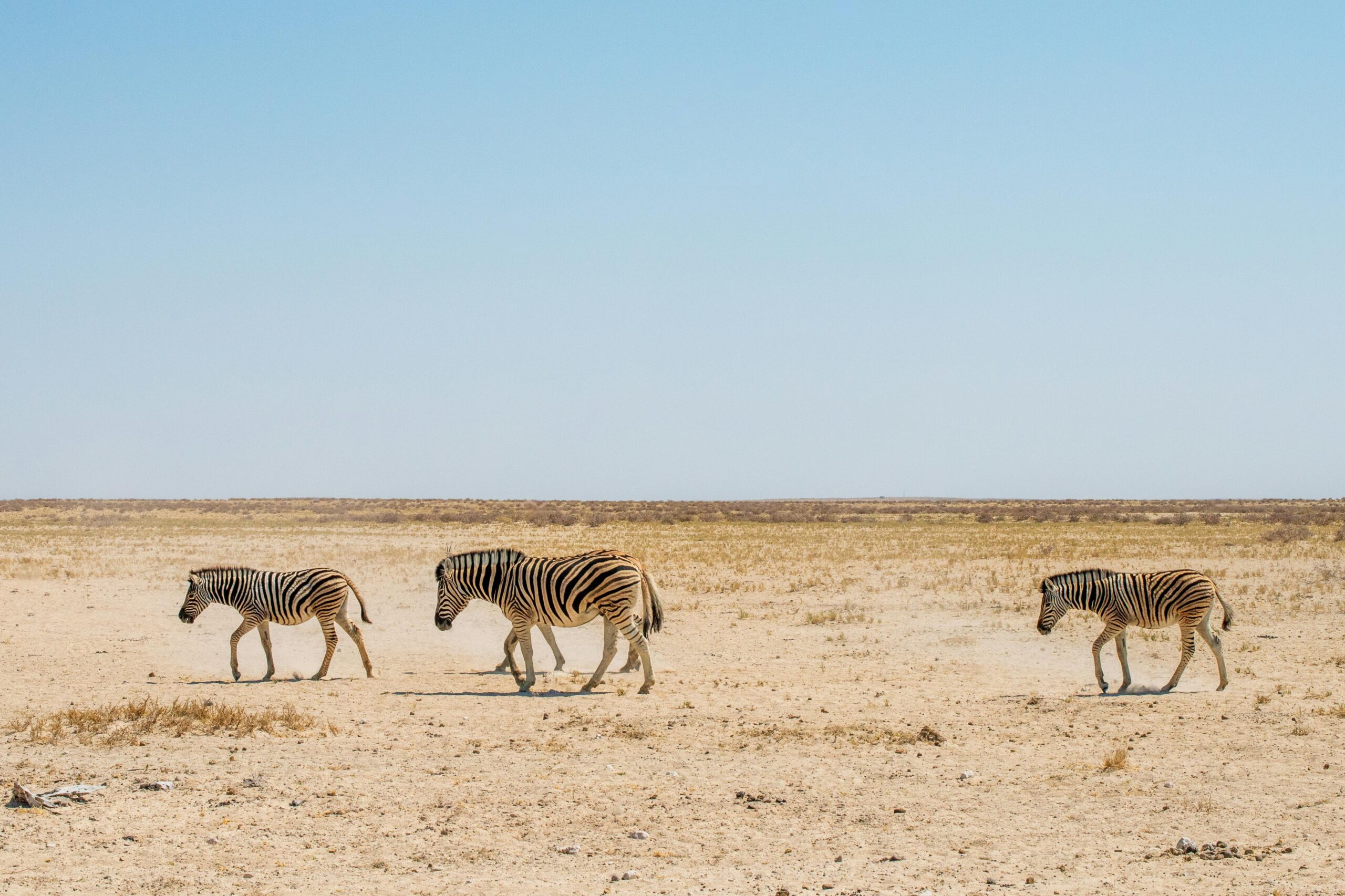
Etosha is one of Africa’s premier safari destinations, centred around a vast salt pan visible from space.

Why Etosha is Unique

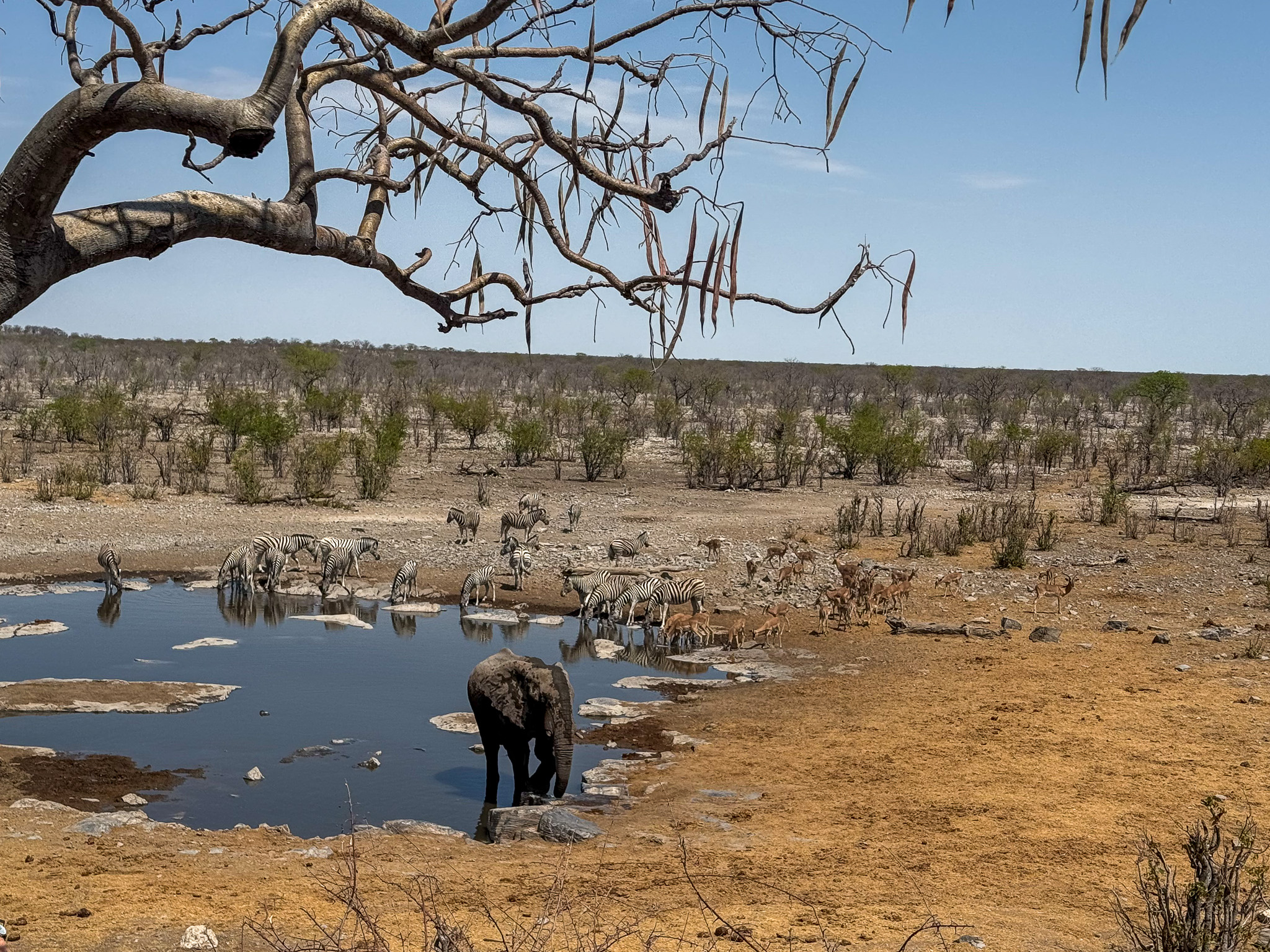
  • Waterhole-based game viewing
  • High density of wildlife
  • Ideal for self-drive safaris

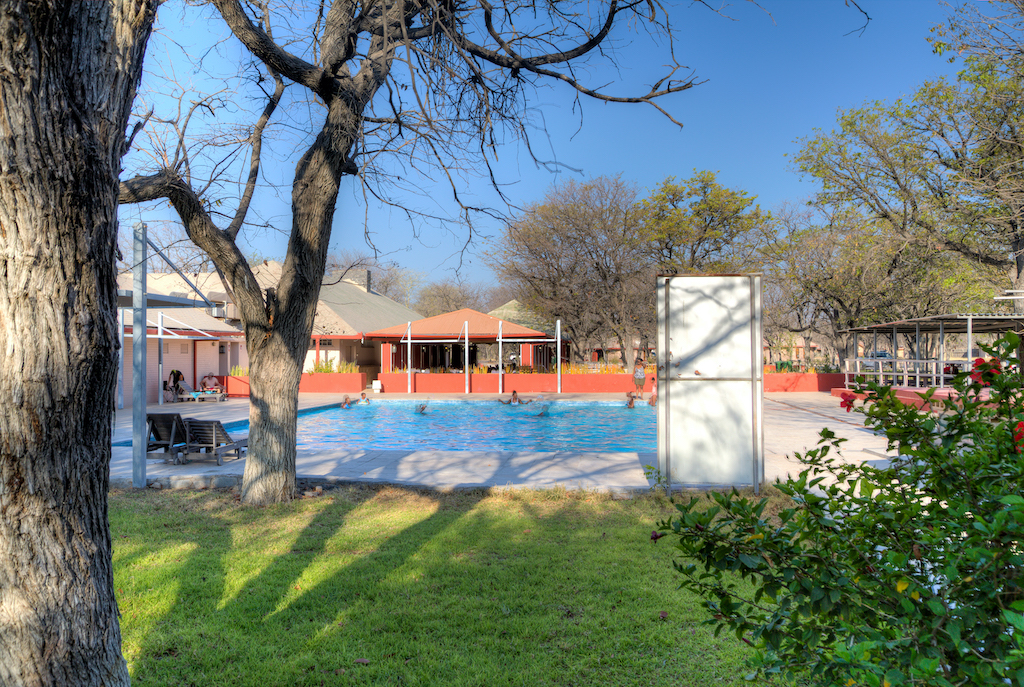
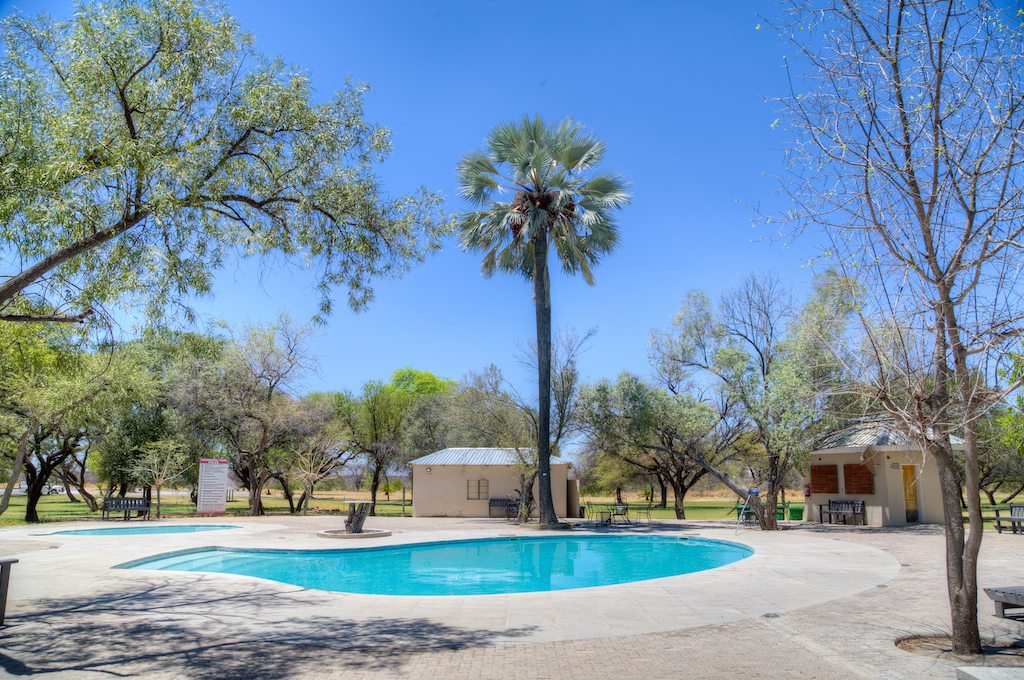
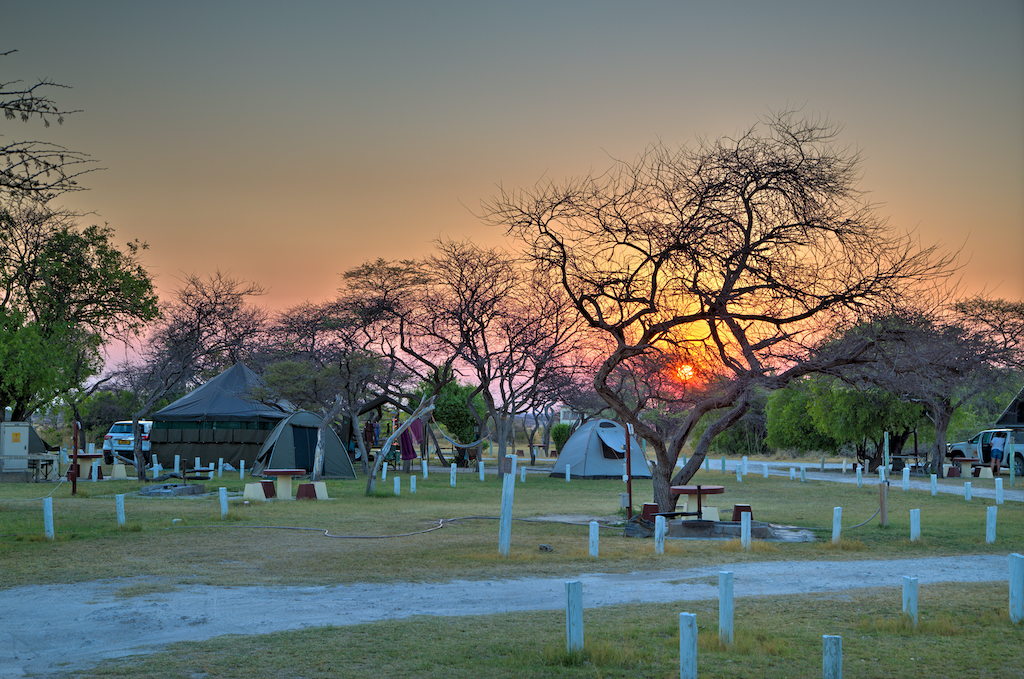
Where to Stay – Namutoni Campsite

Namutoni Campsite

Stay at Namutoni Campsite and begin your first game drive.

Day 7 – Etosha Safari (Namutoni to Halali)

Distance: ~70–120 km

Safari Strategy

  • Move between waterholes
  • Take it slow
  • Early morning and late afternoon drives are best

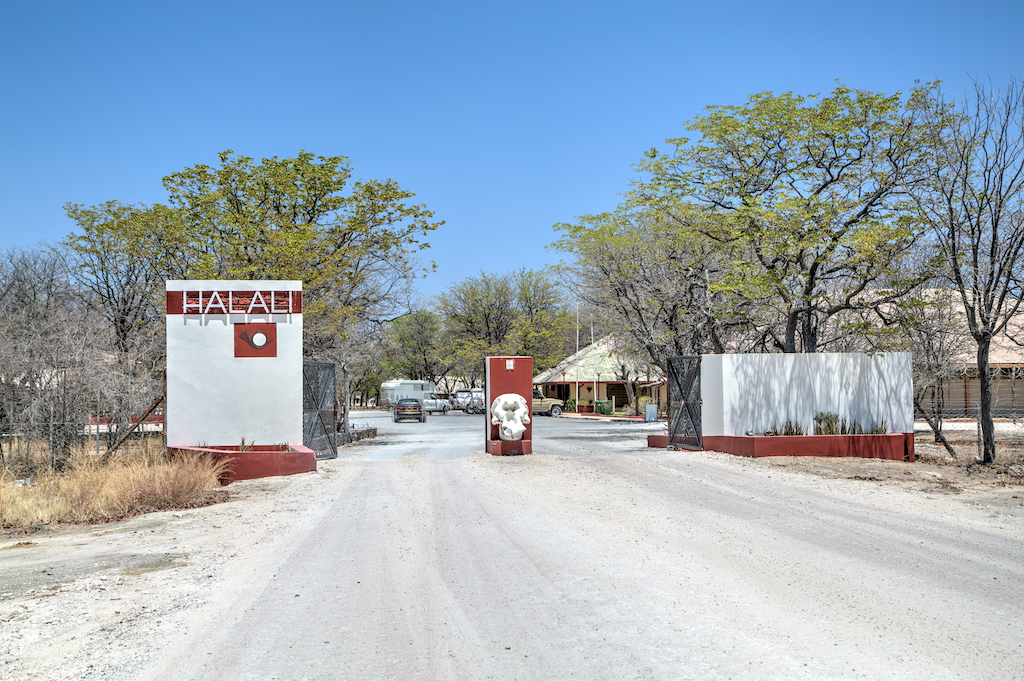
Halali Waterhole

One of the best in Etosha, especially at night:

  • Frequent rhino sightings
  • Quiet, atmospheric

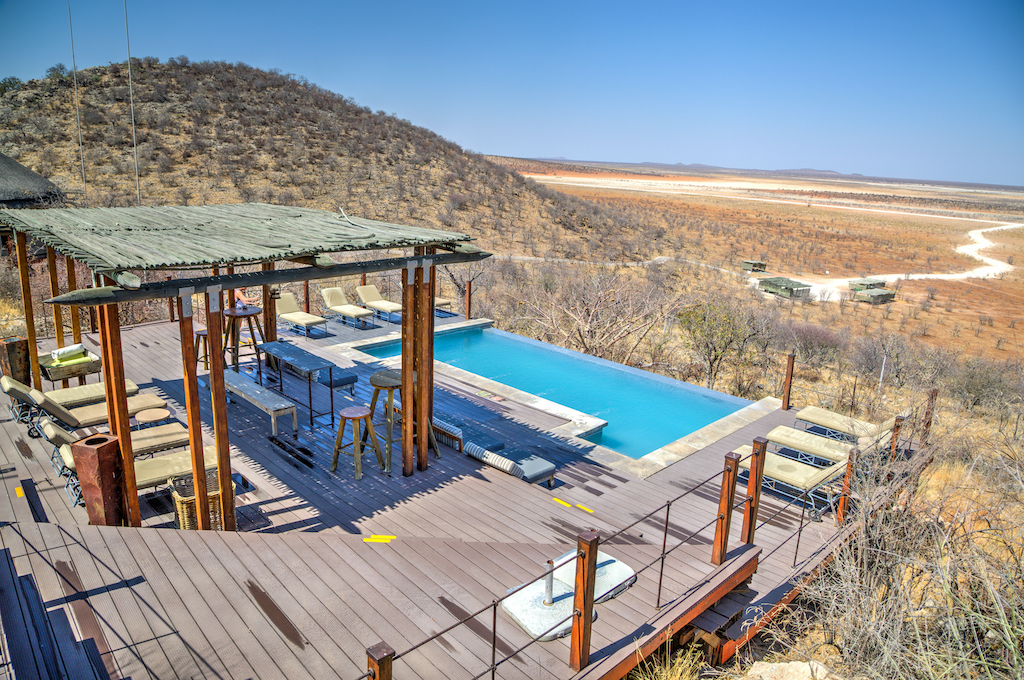
Where to Stay – Halali Campsite

Halali Campsite

Stay at Halali Campsite and begin your first game drive.

Day 8 – Final Safari & Return to Windhoek

Distance: ~500 km

Drive Time: 6.5–7.5 hours

Final early morning game drive before heading back.

Return to Windhoek and check into a comfortable hotel before onward travel.

Where to Stay – Haus Schwerinsburg Guest House

Haus Schwerinsburg Guest House

Stay at Halali Campsite and begin your first game drive.

Best Time to Visit Namibia

Namibia is a year-round destination, but the seasons can shape the experience quite differently, particularly when it comes to wildlife, temperatures, and overall comfort on the road. One key thing to understand is how much conditions vary across regions. The coast around Swakopmund remains cool and often foggy due to the Atlantic, while Etosha and the desert regions experience much hotter days and significantly colder nights.

From November to April, Namibia enters its green season. Temperatures inland regularly reach 30–38°C, and occasional rain brings a greener, more vibrant landscape. It’s a quieter time to visit, although wildlife viewing, especially in Etosha, can be less predictable as animals are not as dependent on waterholes.

The shoulder months of May and June offer a strong balance. Temperatures begin to drop to a more comfortable 22–28°C during the day, with cooler evenings, and the landscapes still retain some colour from the rains. It’s a great time for driving, with fewer crowds and good overall conditions.

From July through October, Namibia is at its best for this itinerary. Days are generally warm and dry, sitting between 20–28°C, while nights, particularly when camping, can drop to between 0–8°C. Wildlife viewing in Etosha is at its peak during this period, as animals gather around limited water sources.

There’s no single perfect time to visit Namibia, but for the best overall mix of weather, wildlife, and driving conditions, June through September is hard to beat, just be prepared for cool coastal air and cold nights in the desert.

Namibia
loader-image
Namibia
3:25 pm, April 23, 2026
weather icon 29°C
L: 19° | H: 27°
overcast clouds
Humidity: 25 %
Wind: 15 mph NNW
UV Index: 0
Precipitation: 0.72 mm
Clouds: 95%
Rain Chance: 0%
Visibility: 10 km
Sunrise: 7:07 am
Sunset: 6:33 pm
  • Temperature
  • Precipitation
  • Rain Chance
  • Wind
  • Humidity
16 mph 5:00 pm
14 mph 8:00 pm
6 mph 11:00 pm
8 mph 2:00 am
7 mph 5:00 am
8 mph 8:00 am
19 mph 11:00 am
12 mph 2:00 pm

Health & Vaccination Advice for Namibia

When travelling to Namibia, it is essential to review current medical guidance before departure.

For UK travellers (or any), the most up-to-date source is:

TravelHealthPro (UKHSA):

https://travelhealthpro.org.uk

https://travelhealthpro.org.uk/country/157/namibia#Vaccine_Recommendations

You can search directly for any country within the site to see current vaccination requirements, malaria risk maps and health alerts.

Medical advice can change, so always consult a GP or travel clinic at least 6–8 weeks before travel.

Common Vaccinations & Health Considerations

Below is a general overview. Individual recommendations will vary depending on personal medical history and travel style.

Health Consideration Typically Recommended Notes
Hepatitis A
Yes
Recommended for most travellers
Hepatitis B
Often
Particularly for longer stays or medical exposure
Typhoid
Yes
Advised due to food and water exposure risk
Tetanus
Yes
Ensure routine boosters are up to date
Malaria Prevention
Yes
Present in northern areas (including Etosha)

This information is provided as general guidance only. Always seek professional medical advice before travelling.

Malaria in Namibia

Malaria is present in parts of Namibia, but risk varies depending on where you travel. For this itinerary, the main area of concern is Etosha National Park and the northern regions, particularly during and shortly after the rainy season from November to April.

The risk is generally lower in desert areas such as Sossusvlei and along the coast around Swakopmund, but precautions are still recommended as you move further north.

Preventative measures may include:

  • Antimalarial medication (as prescribed)
  • High-strength insect repellent (DEET-based)
  • Wearing long sleeves and trousers in the evening
  • Staying in screened or air-conditioned accommodation

Most established lodges and camps implement basic mosquito-control measures, but it’s still important to take precautions, particularly when spending time in Etosha or other northern areas.

Practical Health Advice

Namibia is a straightforward destination from a health perspective, but the climate, long distances, and remote locations mean a few extra precautions are worth keeping in mind.

  • Drink bottled or properly treated water
  • Use high-SPF sunscreen year-round, especially in desert areas where exposure is constant
  • Stay well hydrated, particularly during the hotter months from September to November
  • Carry a basic medical kit, as pharmacies can be limited outside major towns
  • Be mindful of long driving distances and take regular breaks to avoid fatigue
  • Ensure comprehensive travel insurance that covers self-driving, safari, and remote travel

Conditions are generally very safe and manageable, but being prepared will make the trip significantly more comfortable—especially when travelling through more remote parts of the country.

Driving in Namibia – Essential Tips

Vehicle & Roads

  • 4×4 strongly recommended
  • Gravel roads require caution

Fuel & Navigation

  • Fill up regularly
  • Use offline maps

Sand Driving Tips

  • Lower tyre pressure
  • Avoid sudden braking

Final Thoughts

Namibia isn’t about ticking boxes—it’s about the journey.

This route gives you:

  • The best of the Namib Desert
  • The raw Skeleton Coast
  • A world-class safari experience

The biggest mistake you can make here… is trying to rush it.

Crossing into Zambia: The Journey Continues

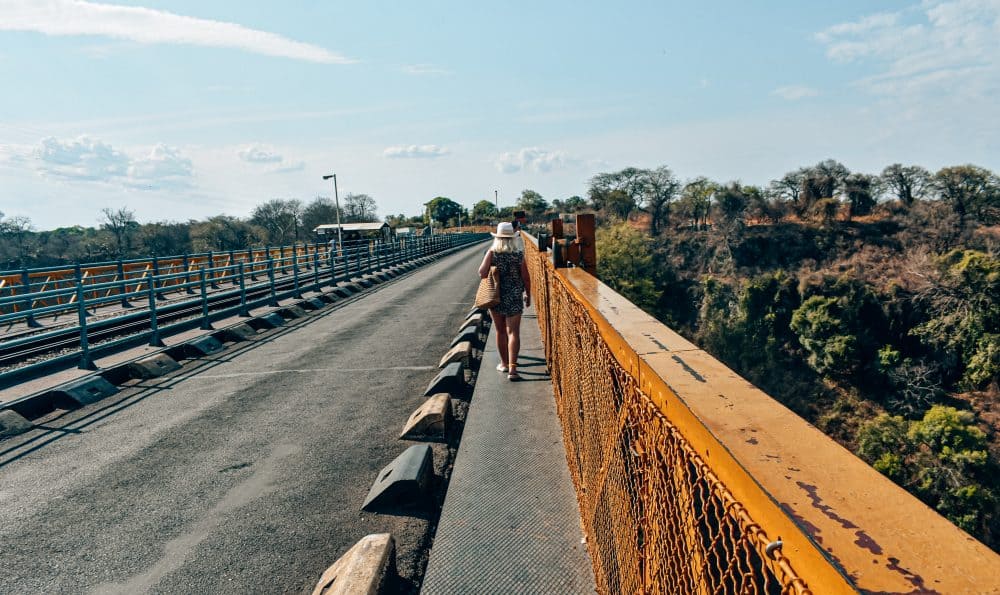
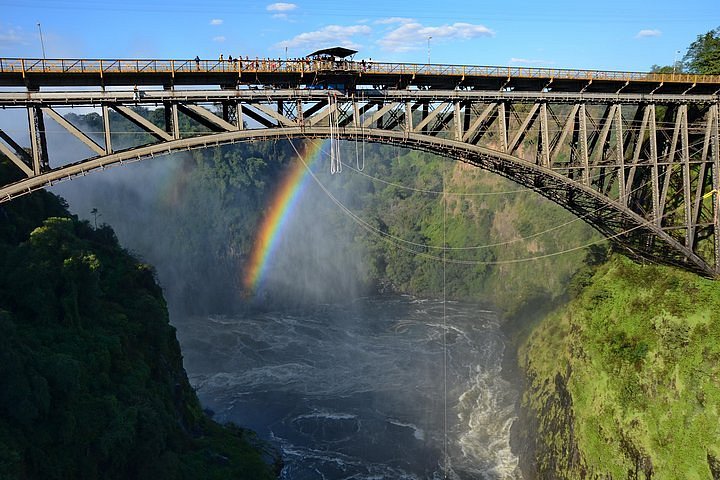
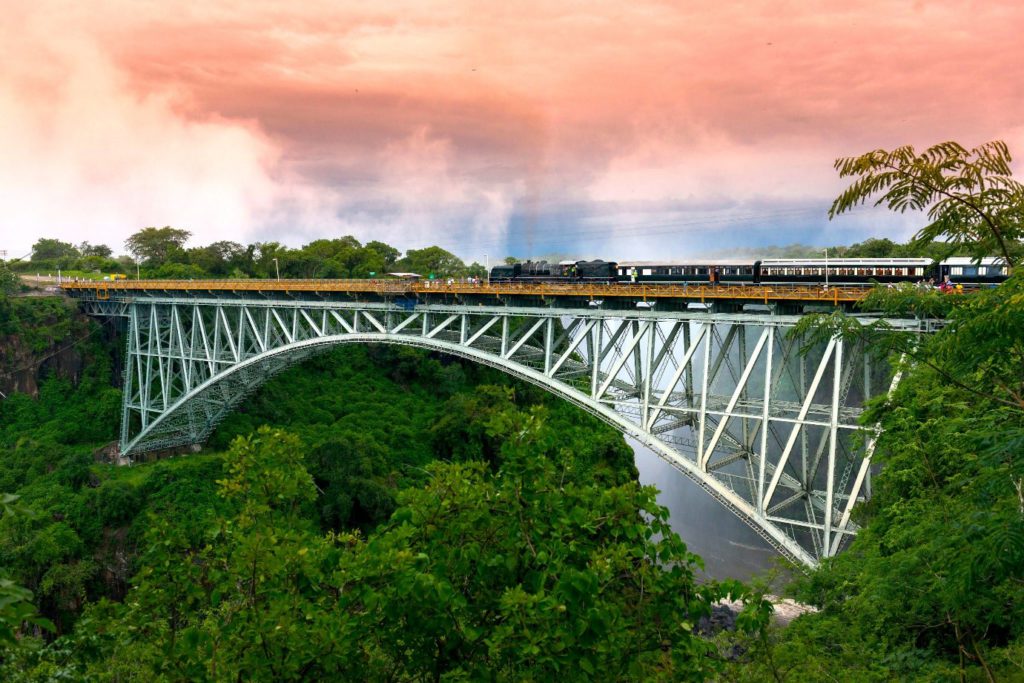
Walking across the Victoria Falls Bridge is more than just a border crossing — it marks the beginning of the next chapter of the journey.

While Zimbabwe offers the most panoramic views of Victoria Falls, Zambia provides a completely different perspective. Trails run closer to the edge of the gorge, seasonal experiences like Devil’s Pool become possible, and the Zambezi River plays an even larger role in daily life.

Continue reading:

Victoria Falls, Zambia: A 4-Day Adventure in Livingstone

Ready to Plan Your Next African Adventure?

  • 📸 Follow the Adventures on Instagram: @will27hhh and @27_adventures

  • 🎒 Want help planning your adventure? Drop us a DM or comment below
Latest African Adventures

A dramatic scene of a barren desert, featuring a dried tree against sand dunes and a clear blue sky.
Namibia Road Trip Itinerary (8 Days): Desert, Skeleton Coast & Etosha Safari
Namibia Road Trip Itinerary (8 Days): Desert, Skeleton Coast & Etosha Safari Introduction Namibia...
Read More
Livingstone-Zambia
Victoria Falls, Zambia: A 4-Day Adventure in Livingstone
Victoria Falls, Zambia: A 4-Day Adventure in Livingstone Victoria Falls is shared between Zimbabwe and...
Read More
10-1-scaled
Victoria Falls, Zimbabwe: A Curated 48-Hour Itinerary from Fairways to Frontiers
Victoria Falls, Zimbabwe: A Curated 48-Hour Itinerary from Fairways to Frontiers Victoria Falls is often...
Read More

Leave a Comment

Your email address will not be published. Required fields are marked *