Table of Contents
ToggleBest Campsites in Etosha National Park: Where to Stay for the Ultimate Safari
Etosha National Park is one of the few places in Africa where a self-drive safari doesn’t feel like a compromise, it feels like an advantage.
You control the pace. You choose the routes. And crucially, where you stay determines not just your comfort, but the quality of your wildlife experience.
This isn’t a park where accommodation is an afterthought. In Etosha, the camps themselves are part of the safari, sometimes even better than the drives.
Get it right, and you’ll be watching elephants and rhinos under floodlights long after sunset.
Get it wrong, and you’ll spend more time driving than actually experiencing the park.
Just behind booking your vehicle, choosing and securing your campsites is the second most important decision of your Namibia itinerary. In many ways, it will dictate the direction you travel across the country, how you enter Etosha, and how you move through the park itself.
This becomes even more important when you start mapping out your full route across Namibia. If you haven’t already, it’s worth understanding how Etosha fits into the wider journey before locking in your camps.
👉 Read the full Namibia Road Trip Itinerary (8 Days)
From there, everything starts to fall into place. Once your camps are secured, your route becomes clearer, your driving days more efficient, and your overall experience far more seamless.
This guide breaks down the best campsites in Etosha National Park, what each one offers, and how to combine them into a seamless, high-impact itinerary.
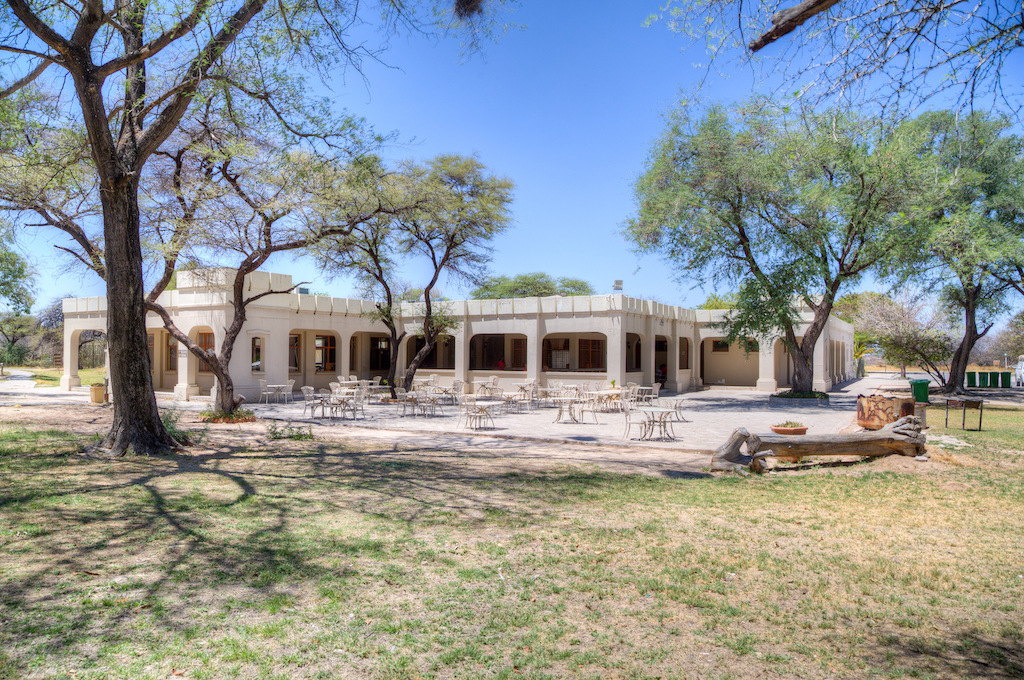
Inside vs Outside Etosha: What You Need to Know
It’s worth addressing this early, because it’s a common question.
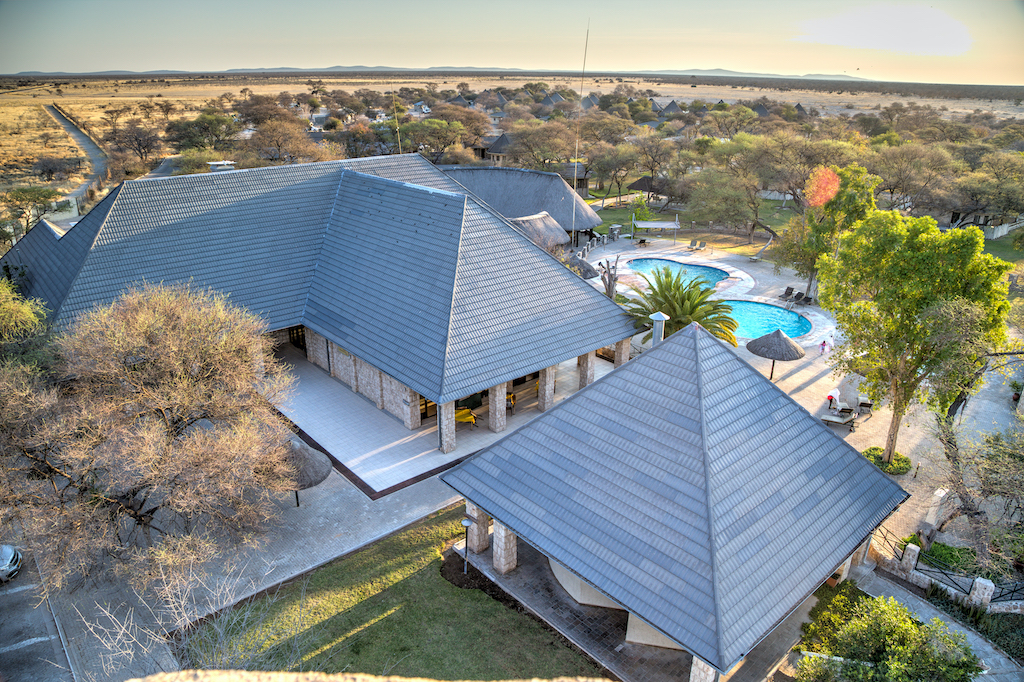
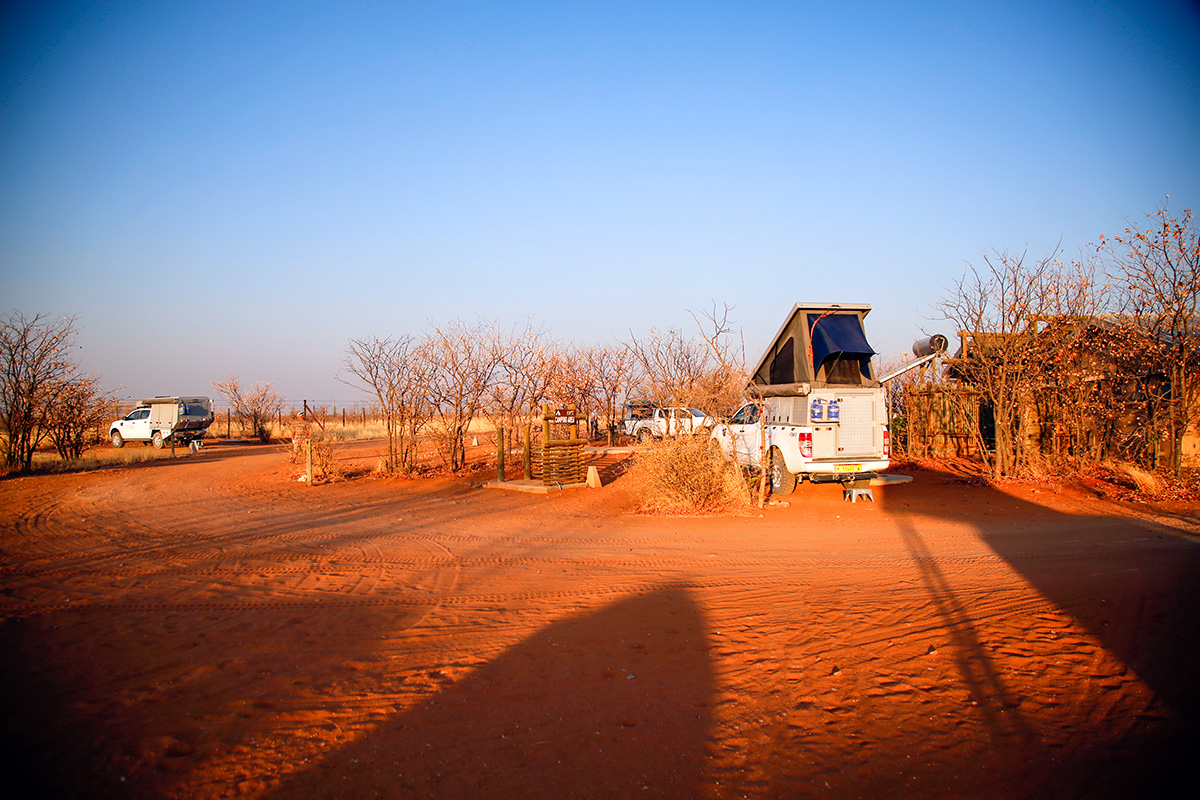
Staying outside Etosha National Park often means more luxurious accommodation. Think larger rooms, infinity pools, better food, and a more polished lodge experience. For some travellers, especially those prioritising comfort, that can be very appealing.
However, for this itinerary and for most self-drive safari trips, the focus is firmly on staying inside the park.
Why?
Because what you gain inside Etosha far outweighs the added comfort outside:
- Direct access to floodlit waterholes at night
- Being on the road at first light, when wildlife is most active
- No restrictions from gate opening and closing times
- A far more immersive safari experience overall
Outside lodges can absolutely complement your trip, particularly before or after Etosha. But if you want the core safari experience, staying inside the park is where Etosha truly delivers.
Why Staying Inside Etosha Changes Everything
If you take one thing from this guide, let it be this: stay inside the park.
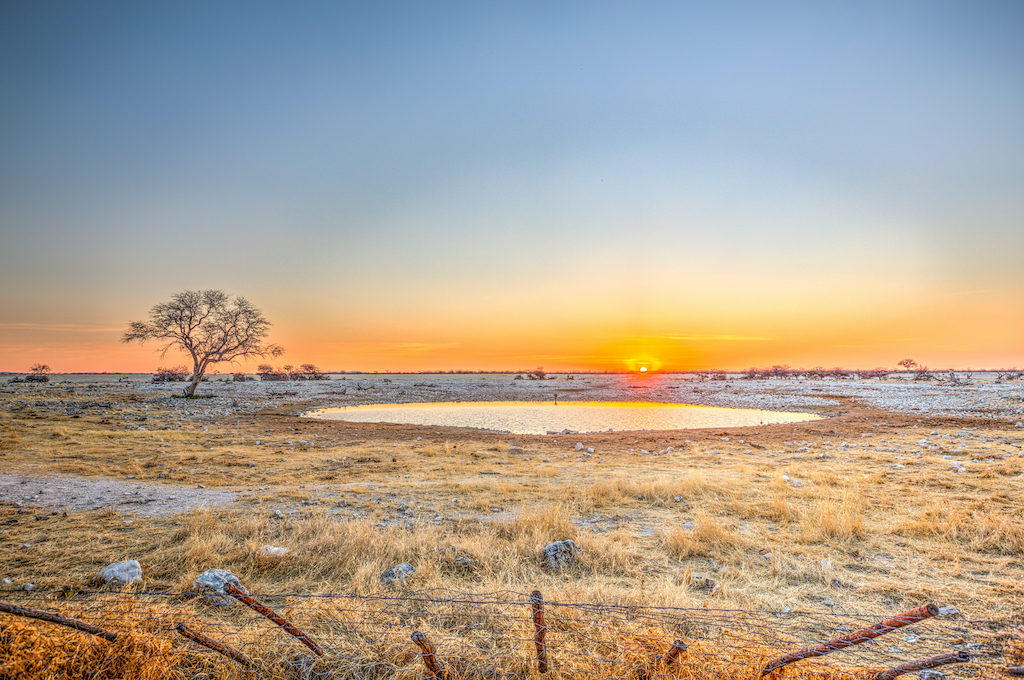
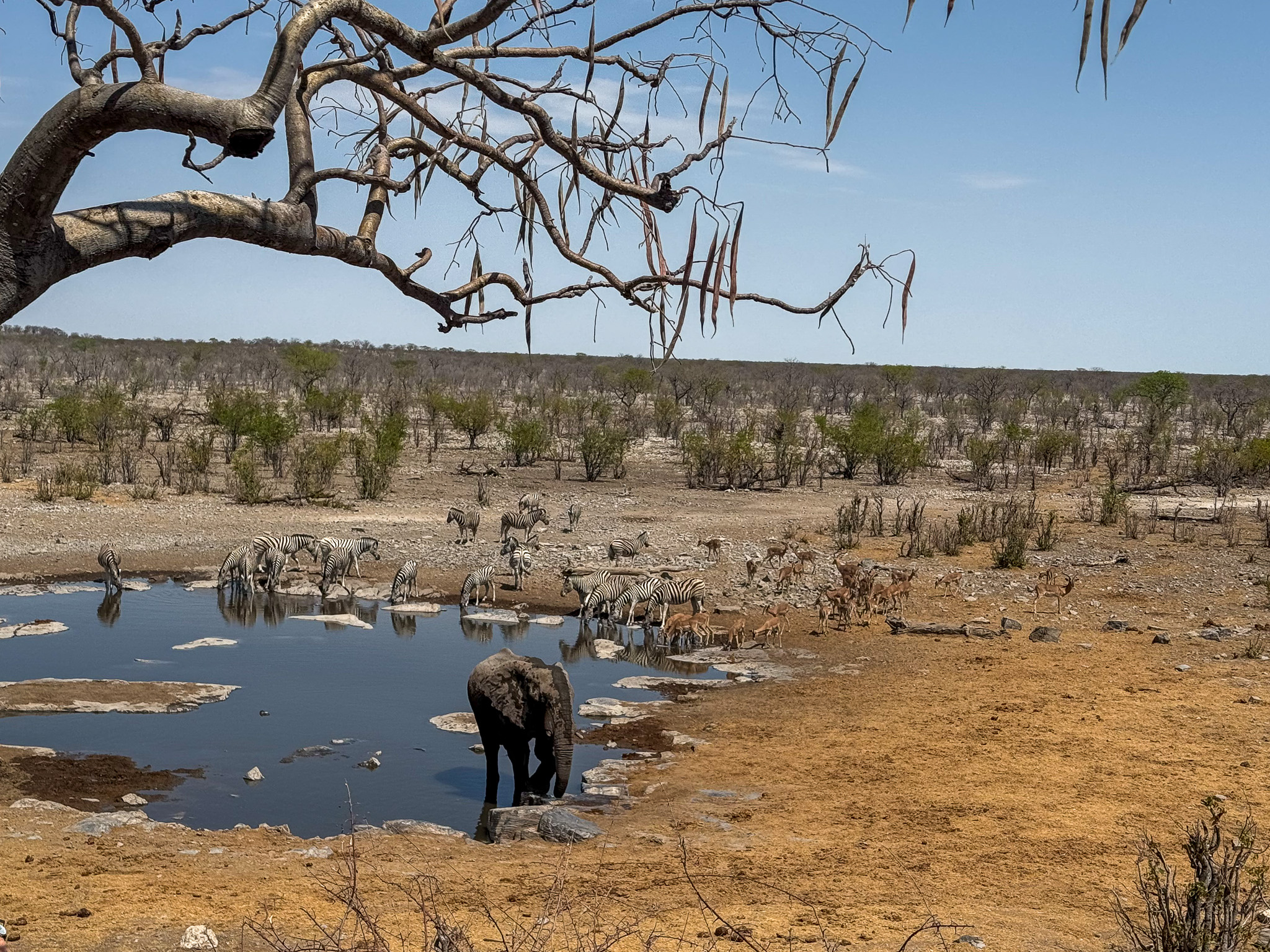
Etosha’s biggest advantage over other safari destinations is its floodlit waterholes, located inside the main camps. These allow you to sit quietly and watch wildlife gather throughout the evening, often without another vehicle in sight.
There’s no engine noise, no rushing from sighting to sighting. Just the slow rhythm of the bush as it unfolds in front of you.
Add to that:
- Immediate access to the park at sunrise
- No stress around gate closing times
- Less driving, more time watching wildlife
…and it becomes clear why camps inside Etosha consistently outperform those outside.
How Big is Etosha National Park? (And Why It Matters)
Etosha isn’t just big, it’s vast in a way that’s difficult to grasp until you’re actually driving through it.
To put it into perspective:
- Etosha National Park covers over 22,000 km²
- That makes it larger than Wales
- And roughly half the size of Taiwan
This scale is exactly why campsite selection matters so much.
Driving from one side of the park to the other isn’t a quick hop. Distances are long, speeds are slow, and wildlife sightings can easily turn a short drive into a half-day experience.
If you base yourself in the wrong place, you’ll spend more time behind the wheel than actually enjoying Etosha.
If you get it right, you’ll move naturally through the park, with each campsite unlocking a different region and a different experience.
Booking Your Etosha Campsites (Official Website)
Before diving into the camps themselves, it’s worth highlighting where to actually secure your bookings.
All camps inside Etosha National Park are managed by Namibia Wildlife Resorts (NWR), and availability can be limited, particularly in peak season.
Key Tips
- Book as early as possible, especially for Okaukuejo and Halali
- Camps often sell out months in advance
- Try to lock in your route first, then build the rest of your Namibia itinerary around these dates
This step ties directly back to your overall trip planning. Once your camps are confirmed, your route through Namibia becomes far clearer.
Understanding Etosha’s Layout (And Why It Matters)
Etosha is divided into three broad regions, each offering something slightly different.
Western Etosha
Remote, rugged, and far less visited.
Central Etosha
The highest concentration of wildlife and most reliable sightings.
Eastern Etosha
Open plains, large herds, and fewer crowds.
The best trips don’t stay in one place. They move through the park, using camps strategically to minimise driving and maximise sightings.
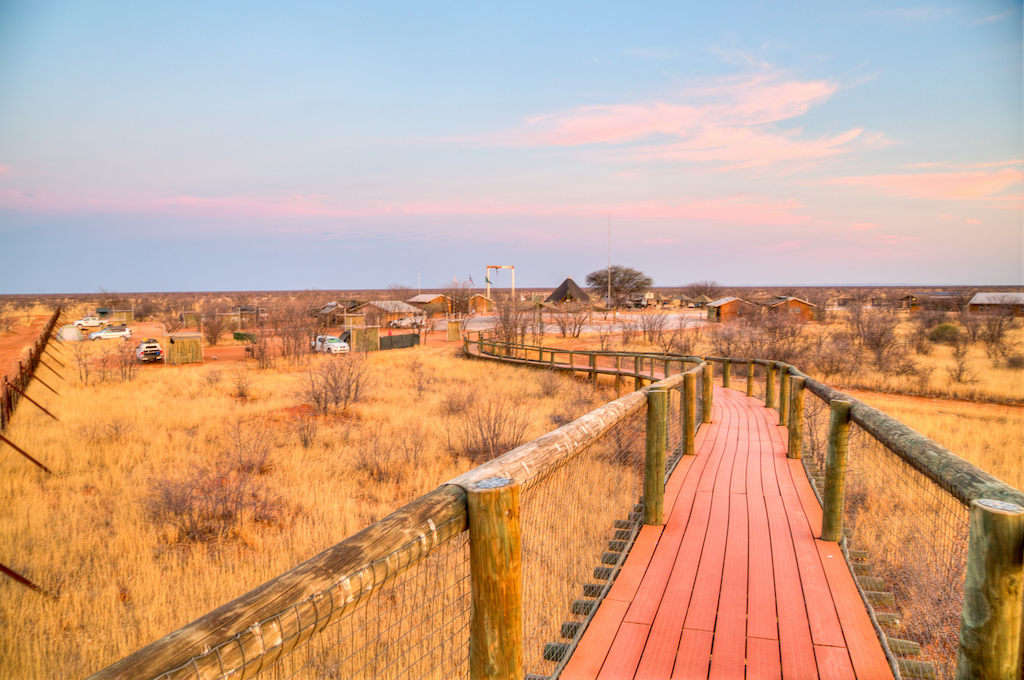
Okaukuejo Campsite (9.5/10)
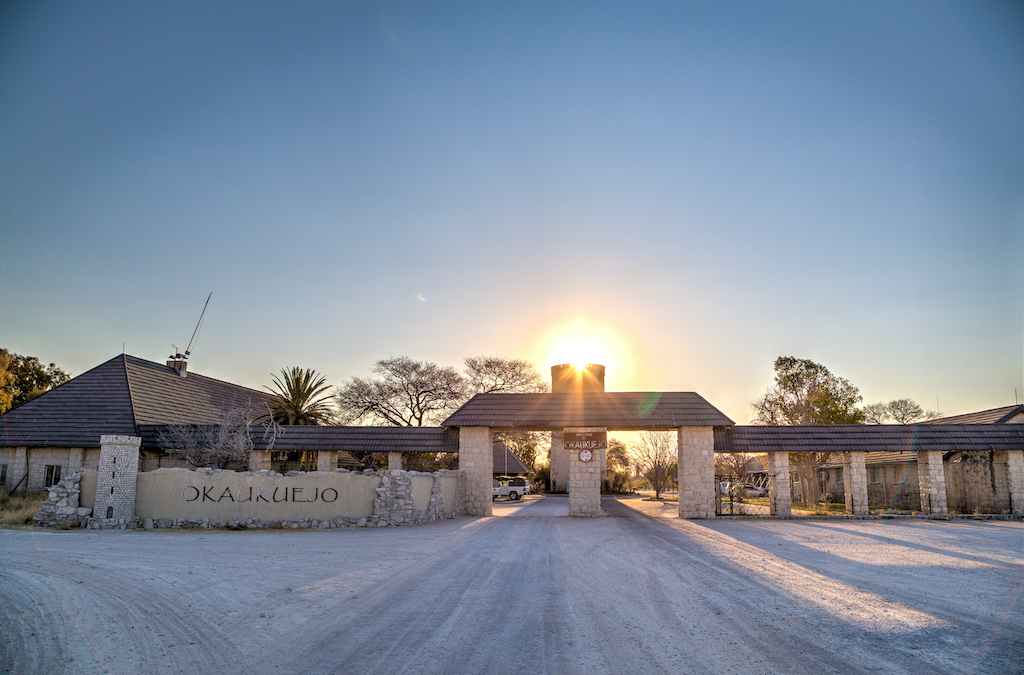
There’s a reason Okaukuejo is the most searched and talked-about campsite in Etosha. It consistently delivers.
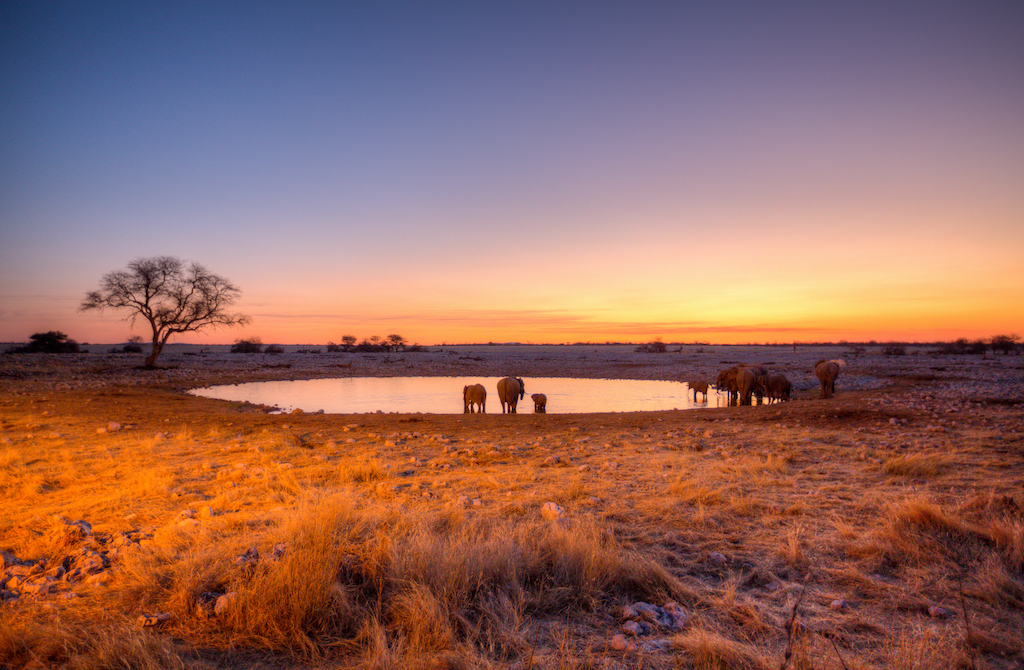
By late afternoon, people begin to gather around the waterhole. There’s a quiet anticipation in the air, as if everyone knows something is about to happen. And more often than not, it does.
Elephants arrive in numbers, sometimes entire herds moving with surprising silence. Rhinos follow, often emerging cautiously from the darkness. If you’re lucky, predators make an appearance too.
What sets Okaukuejo apart isn’t just the wildlife. It’s the reliability. You don’t need to chase sightings here. You wait, and they come to you.
During the day, the camp is ideally positioned for exploring central and western Etosha, with several excellent waterholes within easy reach. But it’s the evenings that define the experience.
Yes, it’s busy. Yes, it lacks the solitude of smaller camps. But if you want those classic safari moments, the ones that stay with you long after the trip ends, this is where they happen.
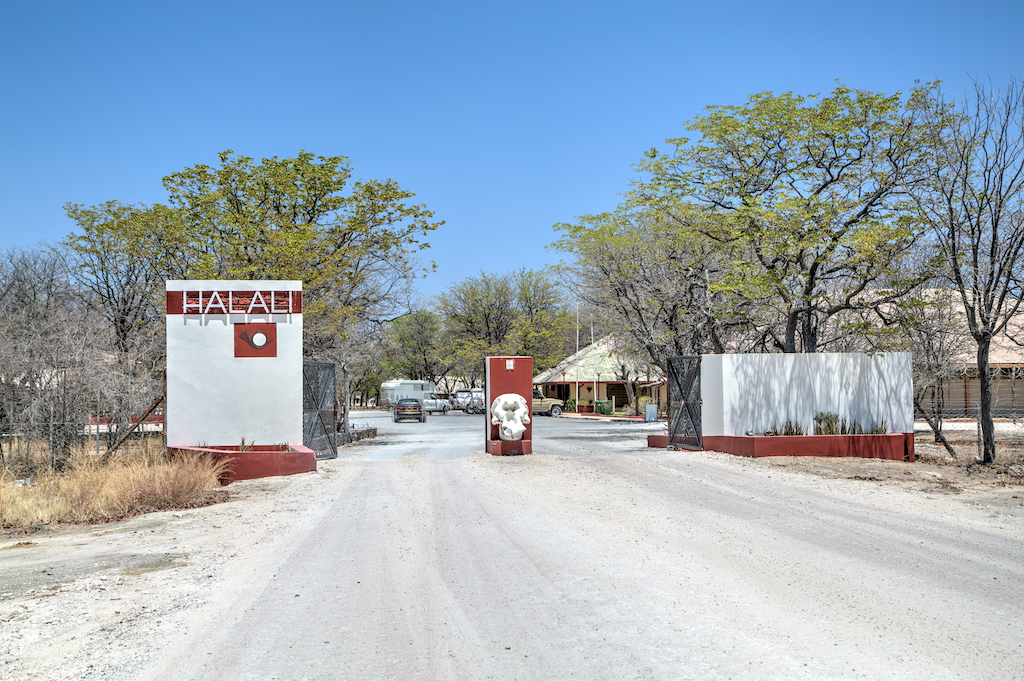
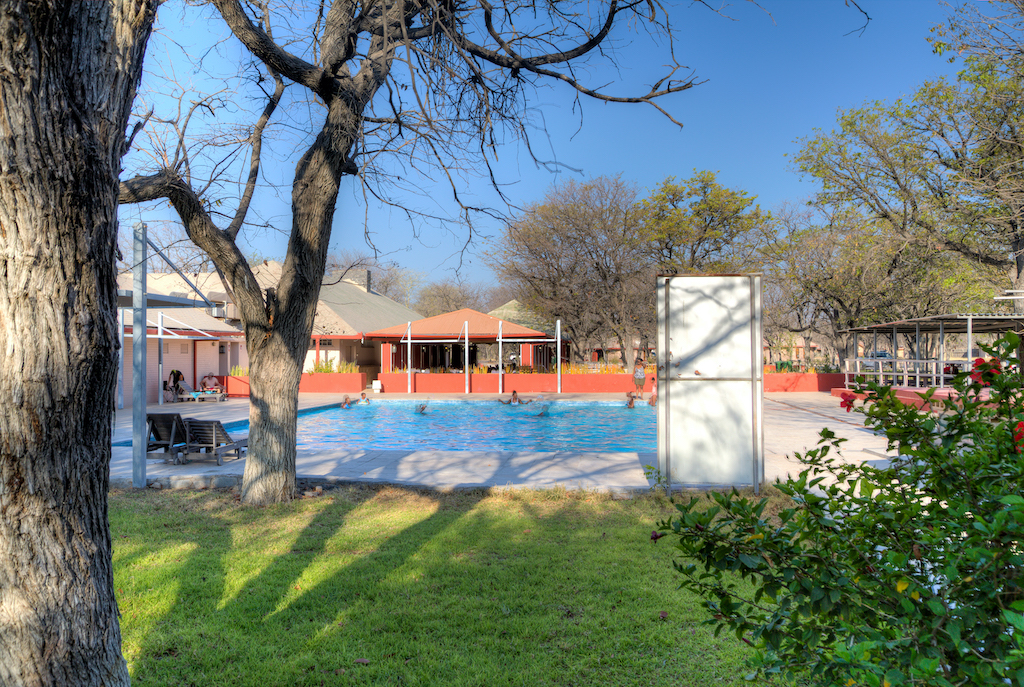
Halali Campsite (9.0/10)
Roughly halfway between Okaukuejo and Namutoni, Halali offers something that’s easy to underestimate, balance.
Arriving here, the shift is immediate. The crowds thin out, the pace slows, and the experience becomes more personal. It’s less about ticking off sightings and more about being present in the environment.
The Moringa waterhole is the highlight. Set slightly away from the main camp, it feels more intimate and atmospheric. Sightings here don’t happen on demand, but when they do, they feel earned.
Halali’s central position also makes it one of the most practical camps in Etosha. You can explore in either direction without committing to long drives.
If Okaukuejo is about spectacle, Halali is about subtlety. It’s where you go to slow down, recalibrate, and experience Etosha at a different pace.
Namutoni Campsite (8.5/10)
By the time you reach Namutoni, Etosha starts to feel different.
The landscape opens up into wider plains, and the wildlife shifts accordingly. Instead of concentrated waterhole activity, you’ll often find larger herds moving across open terrain, zebra, giraffe, antelope stretching out toward the horizon.
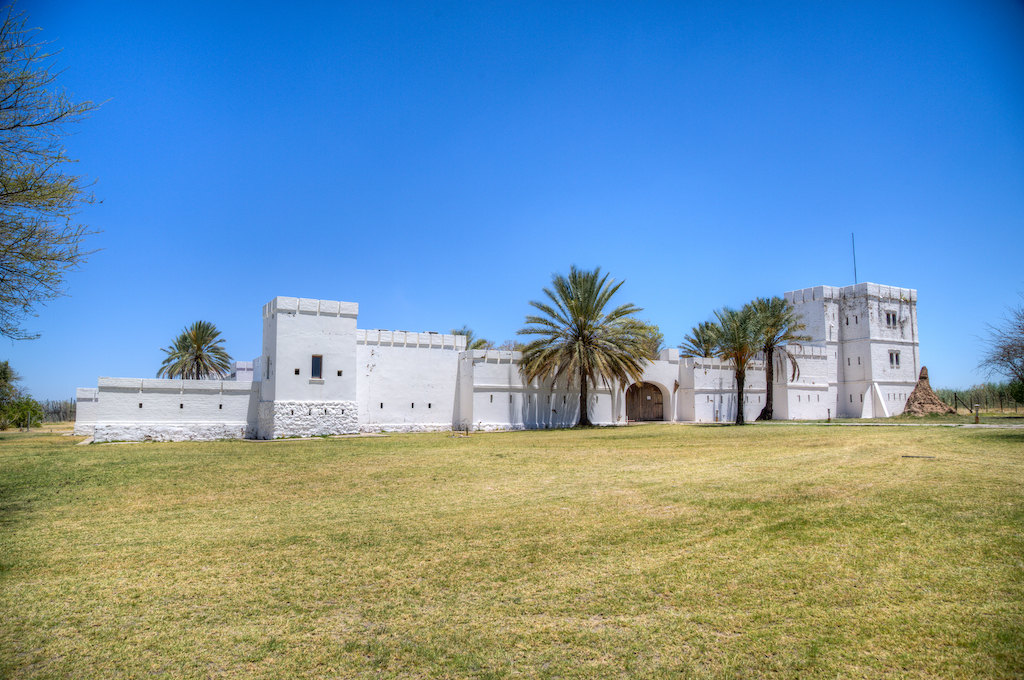
The camp itself is built around a historic German fort, giving it a unique character that sets it apart.
Evenings here are quieter. The waterhole doesn’t deliver the same intensity as Okaukuejo, but that’s part of the appeal. Fewer people make it this far east, and the sense of space is noticeable.
Namutoni works best as part of a broader journey, particularly if you’re crossing the park or looking to escape the busier central areas.
Olifantsrus Campsite (8.2/10)
Olifantsrus is where Etosha starts to feel truly wild.
Located deep in the western section of the park, it requires a deliberate effort to reach, and that’s exactly why it’s so special.
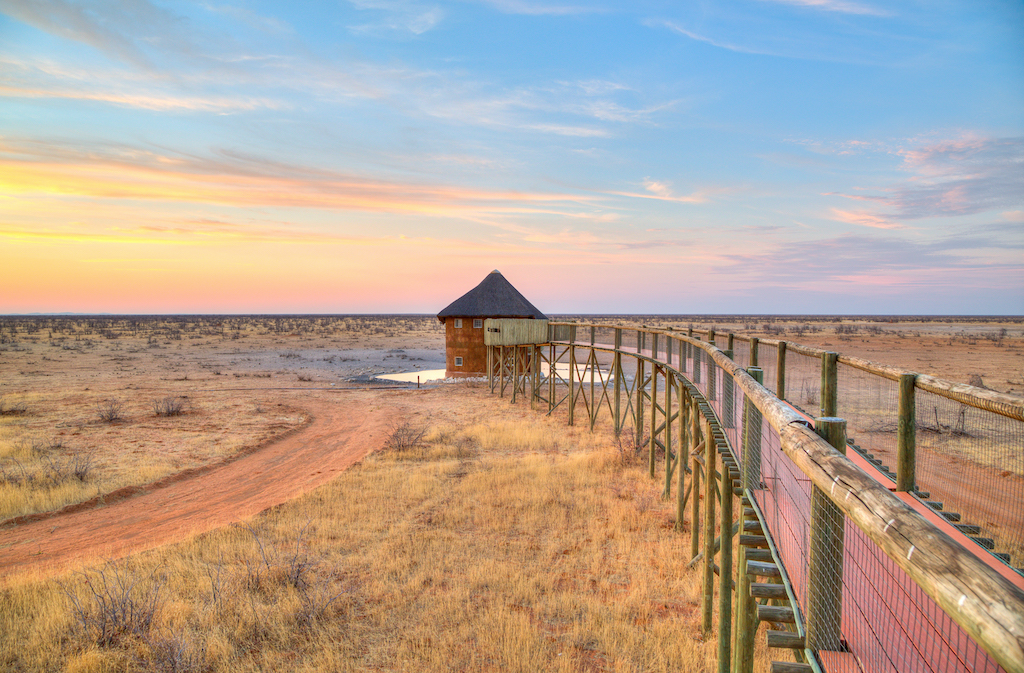
There are fewer vehicles, fewer people, and far fewer distractions. The elevated hide overlooking the waterhole is the standout feature, offering a quiet vantage point where you can watch elephants and other wildlife without interruption.
This isn’t a camp for first-time visitors or those on tight schedules. The facilities are basic, and wildlife sightings are less frequent than in central Etosha.
But if you’re looking to experience a quieter, more untouched side of the park, Olifantsrus offers something genuinely different.
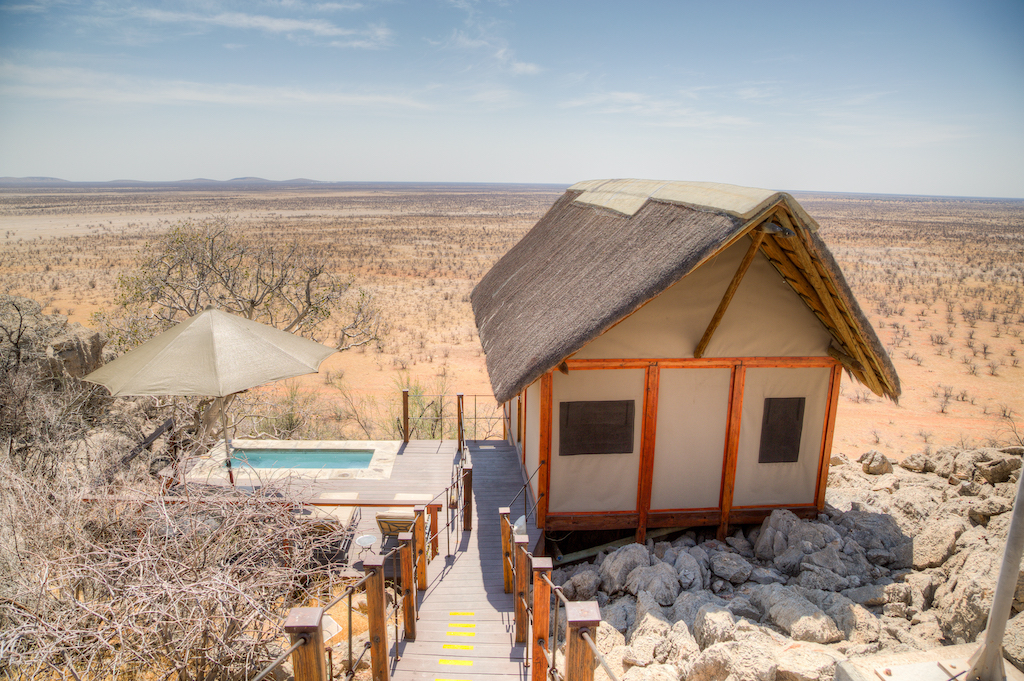
Dolomite Camp (8.7/10)
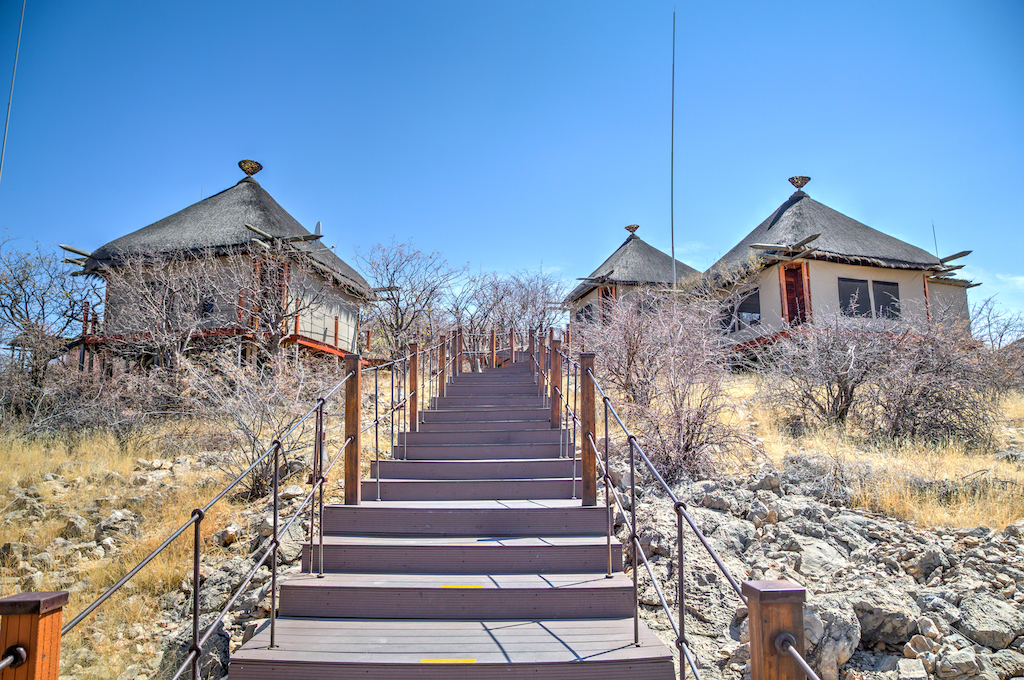
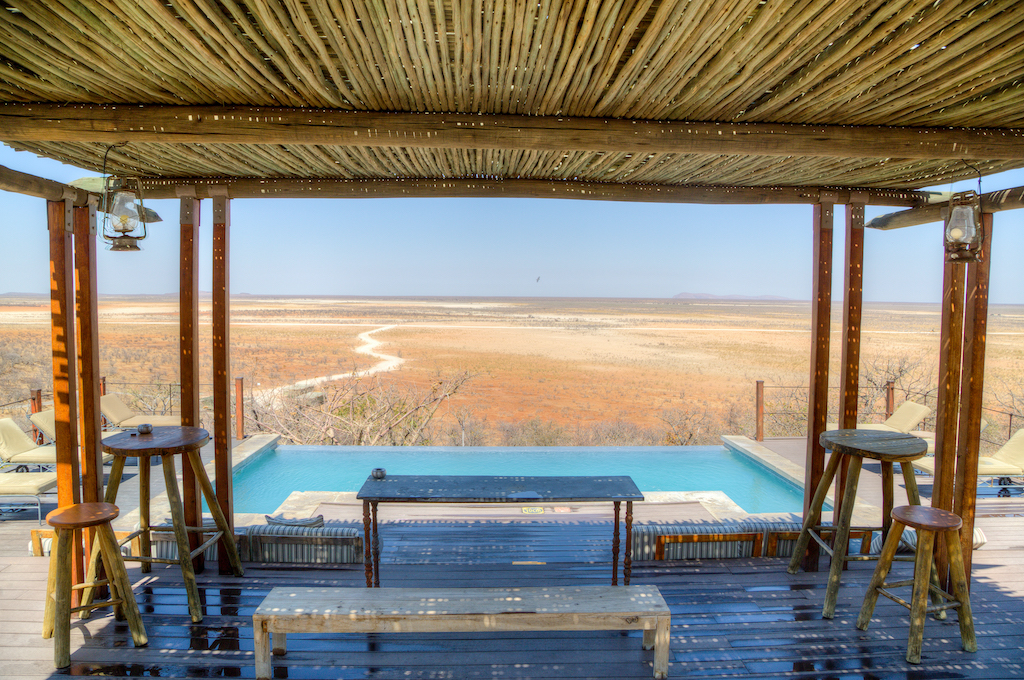
Dolomite Camp sits slightly outside the traditional campsite category, but it earns its place for one simple reason, perspective.
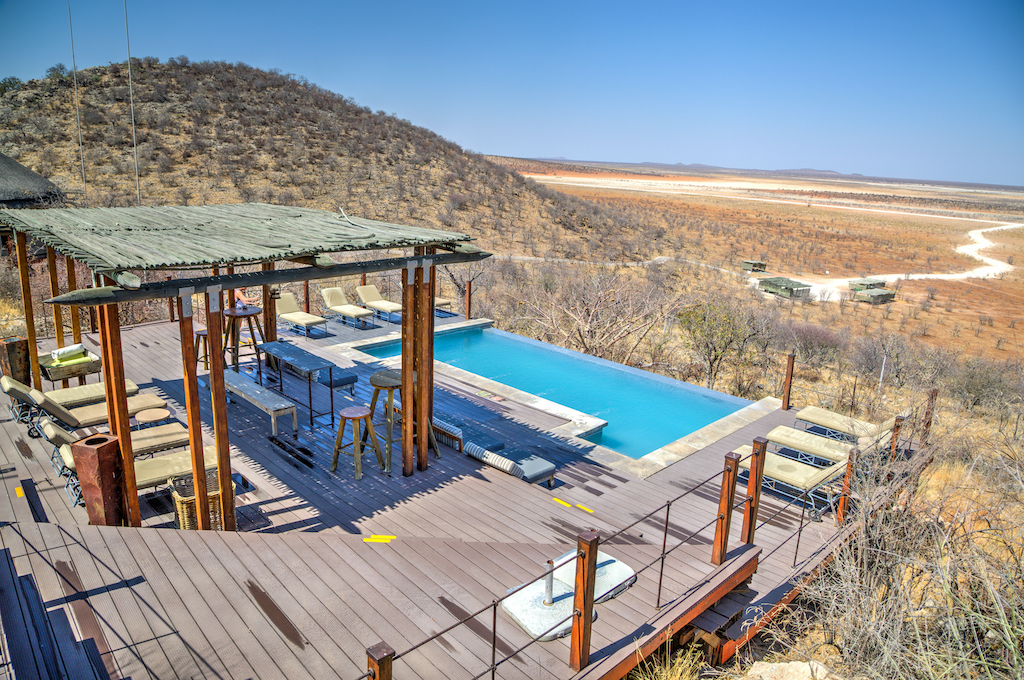
Perched on a rocky outcrop in western Etosha, it offers sweeping views across the plains that you simply don’t get elsewhere in the park.
This is less about high-frequency wildlife sightings and more about stepping back and taking in the scale of Etosha, the light, the landscape, the stillness.
After a few nights of camping, Dolomite also offers a welcome shift in pace. A bit more comfort, a bit more space, without losing the sense of being immersed in the wild.
How to Plan the Perfect Etosha Campsite Itinerary
The best way to experience Etosha isn’t to choose one camp, it’s to combine them.
This exact route is part of a wider Namibia journey, linking Sossusvlei, Swakopmund and Etosha into one seamless trip.
For the full day-by-day route, driving times, and stopovers, read the complete Namibia road trip itinerary.
Recommended 3-Night Itinerary
- Night 1: Okaukuejo, arrive early and experience the waterhole
- Night 2: Halali, explore central Etosha at a slower pace
- Night 3: Namutoni, finish in the quieter eastern region
If You Have More Time
- Add Olifantsrus for a remote detour
- Add Dolomite Camp for a more scenic, relaxed stay
This structure allows you to experience the full spectrum of Etosha, from high-energy wildlife encounters to quiet, reflective moments in the bush.
Final Thoughts: Where Should You Stay in Etosha?
If your goal is to experience Etosha at its best, the answer isn’t choosing the perfect campsite. It’s understanding what each one offers and using them together.
Okaukuejo delivers the moments.
Halali adds depth.
Namutoni creates space.
Olifantsrus brings wilderness.
Dolomite offers perspective.
Put them together, and you don’t just visit Etosha, you experience it properly.
Planning Your Full Namibia Route?
Etosha is just one part of what makes Namibia such an incredible road trip destination. From the dunes of Sossusvlei to the coastline of Swakopmund, the route itself is as memorable as the destinations.
If you’re putting the full trip together, we’ve mapped everything out step by step.
Follow the Adventures on Instagram: @will27hhh and @27_adventures
Want help planning your adventure? Drop us a DM or comment below